Eddie Henderson Carries Miles Davis Forward
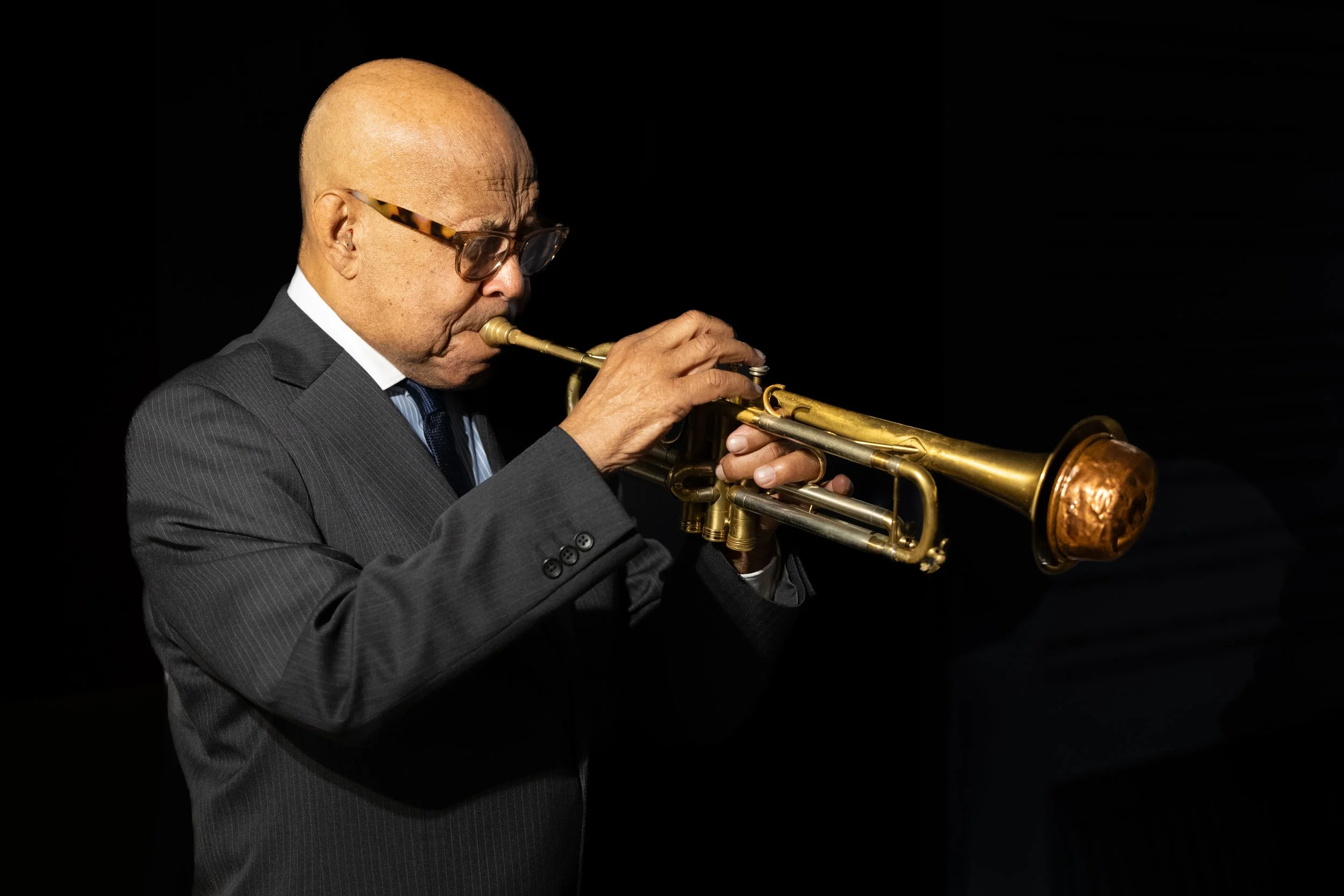
Photo: Steve Roby
For Eddie Henderson, the sold-out SFJAZZ tribute to Miles Davis on March 21 holds memories, lineage, and a lifetime of hard-won musical wisdom. Henderson experienced this music firsthand, learned directly from Miles, and still talks about it with the intensity of a first revelation.
Listen to the full conversation with Eddie Henderson below.
When Eddie Henderson talks about Miles Davis, he speaks with the vivid recall of someone who stood close enough to feel the air move between them. In 1958, Davis stayed at Henderson’s family home in San Francisco, where Henderson’s stepfather was Miles’s doctor. Henderson was still in high school, studying trumpet at the San Francisco Conservatory, serious about music and still discovering what his own future might be. Then Miles took him to the club.
Onstage was a band most musicians would spend a lifetime dreaming of seeing from afar: John Coltrane, Cannonball Adderley, Philly Joe Jones, Paul Chambers, and Wynton Kelly. Henderson still describes that night as a moment of ignition. “The light came on in my musical being,” he said. “That’s what I wanna do for the rest of my life.”
That memory now hits with unusual force. On Saturday, March 21, Henderson joins Javon Jackson, Lenny White, Donald Harrison, Charles “Buster” Williams, and Patrice Rushen at SFJAZZ for a sold-out concert dedicated to Miles Davis’s acoustic years. Henderson brings virtuosity, authority, and a direct sense of history to that stage. He experienced this music when it was still new. He heard it in the room.
The Night That Changed Everything
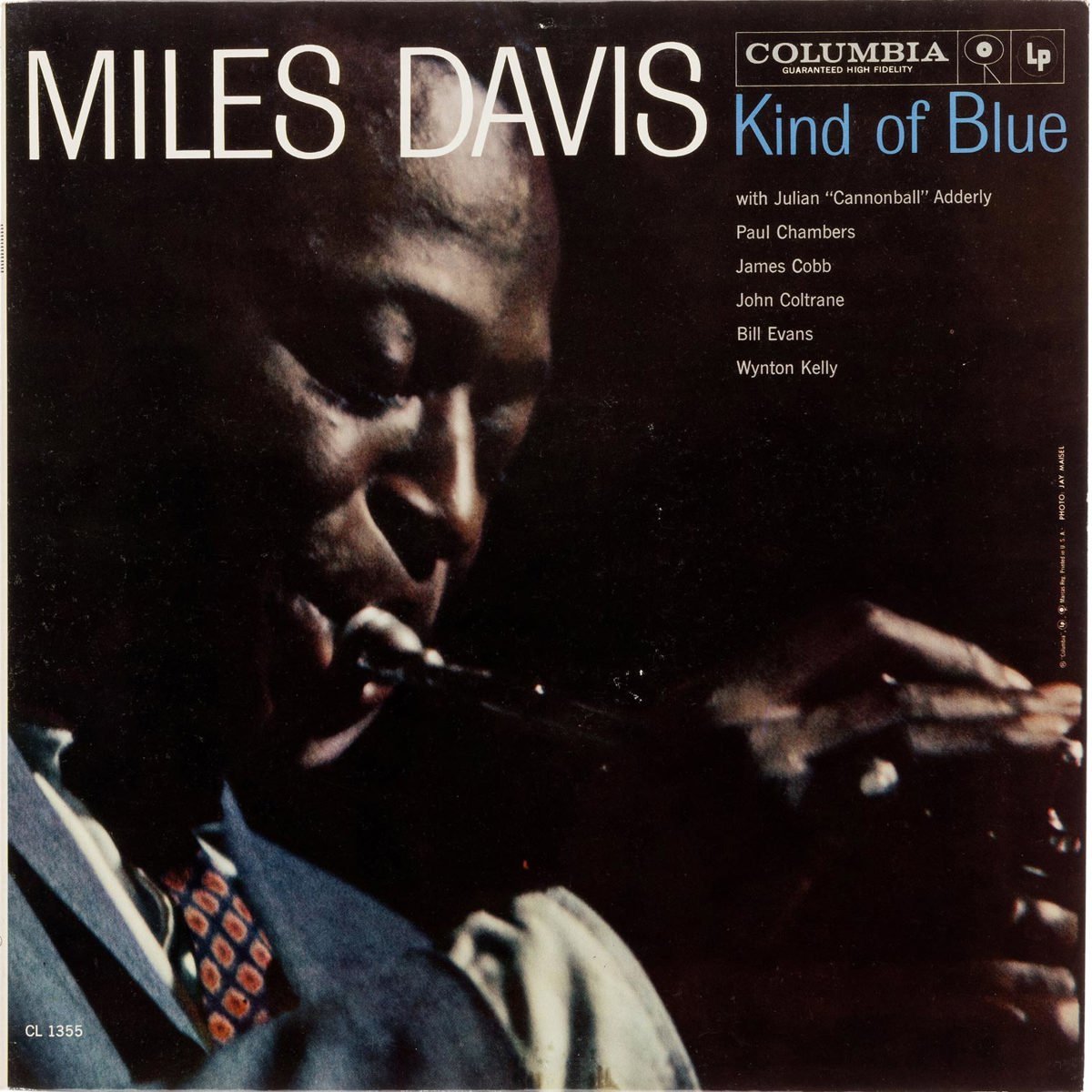
What Henderson remembers most vividly is the sound of Kind of Blue as a live experience. The album had just been released, and Miles’s band was already performing that material on stage. Henderson recalled hearing “All Blues” as if under a spell. “You could hear a pin drop in the club,” he said. The repeating figure, the pulse, the focus in the room, the way the audience settled into the music’s gravity — all of it stayed with him. Then Miles entered with what Henderson still calls that “haunting sound,” followed by Coltrane and Cannonball. “I get chills every time I talk about this,” he said.
That line matters because Henderson still sounds stunned by the memory. He does not tell the story as a credential; he shares it as an experience that continues to resonate within him. For a young player, the encounter opened a door and set a standard. Miles’s music embodied beauty, atmosphere, swing, and mystery all at once. It connected deeply with audiences while still pushing the language forward.
Henderson remains particularly attentive to that balance. He believes Miles persevered because he kept the audience engaged even as he expanded the frame. The early repertoire included familiar songs like “Stella by Starlight,” “My Funny Valentine,” and “If I Were a Bell.” Then Miles moved toward modal forms and new harmonic spaces without losing the listener’s interest. Henderson still sees that achievement as part of Miles’s genius: the ability to push the music forward while keeping “the swing and the beauty and artistry” fully alive.
“That’s Me”
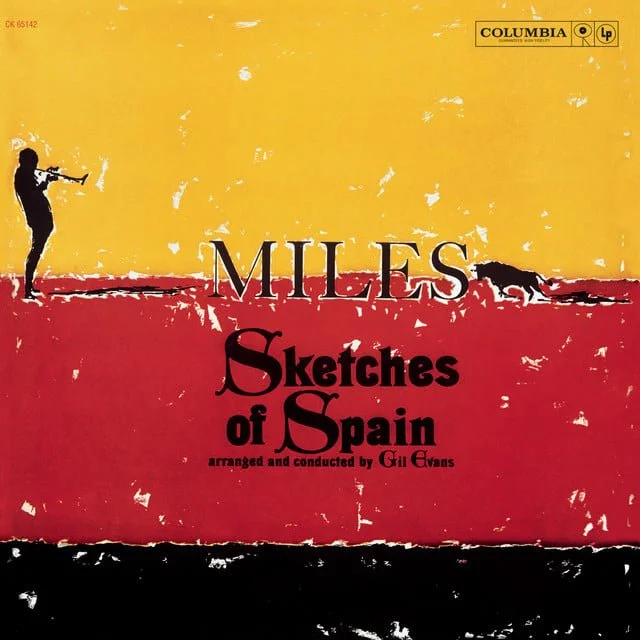
Miles also taught Henderson one of the key lessons of a musician’s life: influence must become identity. As a teenager, Henderson wanted to impress him. He memorized Miles’s solo from Sketches of Spain by ear, note for note, and played it back proudly. Miles listened, smiled, and responded with a sentence Henderson never forgot: “You sound good, but that’s me.”
The remark hit with surgical precision. Henderson was skilled. He listened carefully. He was disciplined. He also had someone else’s sound in his hands.
A year later, Miles returned to the house, and Henderson was ready with a comeback. By then, he had learned that one of Miles’s own heroes was the trumpeter Freddie Webster. When Miles opened the door with a teasing, “Hey, Eddie, you still trying to sound like me?” Henderson shot back, “You mean Freddie Webster?” Miles paused, smiled, and whispered, “Everybody’s a thief. I just made a short-term loan.”
It's a great line—funny and devastating at the same time—and Henderson still appreciates it because it shows that the idea of originality arriving fully formed is a myth. Style comes from inheritance, absorption, selection, and transformation. Henderson discusses this process with rare clarity. Every artist originates from somewhere. Every voice carries traces of those who came before. The real work is in understanding one’s roots and then finding one's own way through them.
“Play Music”
Henderson’s most impactful lesson from Miles came later, after he had entered the professional world himself. Miles would come here with Art Blakey and Herbie Hancock, sitting close, staring intently, putting young players under a bright light. One night, he came back to Henderson with another blunt directive: “Why don’t you stop trying to play the trumpet and play music?”
Henderson still calls that “a mouthful,” and he is right. In one sentence, Miles cut through the trap of instrumental thinking. Technique matters. Tone matters. Facility matters. Yet Miles was always listening for something beyond the machinery of the horn. He wanted intention, shape, expression, sound charged with feeling. Henderson summed it up well in the interview: “The instrument is just the tool through which you play music.”
That idea stayed with him. It influenced his playing and his teaching at Oberlin College. Henderson says he shares this lesson with students because it seldom appears in formal instruction. It belongs to the oral tradition, to conversations among musicians, to the understanding that differentiates command from depth. “That really will separate a good musician from an extraordinary musician,” he said. “That intangible understanding of music.”
He shared another Miles phrase that conveyed the same practical wisdom. When Henderson asked how a player develops an improvisational voice, Miles told him: “Learn as many licks as you can, and then scotch tape ’em together.” Henderson appreciates that image because it turns jazz language into spoken words. First, you produce a sound. Then you learn phrases. After that, you connect them into longer thoughts. Eventually, you speak. “I’m improvising right now,” he said during the interview, laughing a little at the analogy and believing it completely.
Miles as Method
Henderson admires Miles for the way he kept moving. He does not hear a sequence of disconnected careers. He hears continuity inside change. The rhythm sections changed, the settings changed, the atmosphere changed, and Miles kept listening forward. Henderson’s phrasing on this point is especially sharp: Miles did not change his playing so much as “the atmosphere that he placed himself in.” That distinction says a lot about how Henderson hears artistic growth. Reinvention comes from context, from personnel, from texture, from the courage to hear what the next room requires.
He also calls Miles “a sound freak,” and he does so with admiration. Miles obsessively focused on timbre, space, pressure, and the emotional shape of a note. That intensity still resonates with Henderson because it highlights the core of the music. This SFJAZZ concert may feature familiar repertoire, but Henderson engages with it through sound, touch, and feeling, not through reverence that’s gone stale. He knows these pieces from the inside.
That personal history also adds another layer to the concert. Henderson grew up in San Francisco, attended Lowell High School, then USF and UC Berkeley, before eventually returning to New York in 1985. Coming back to the Bay Area still moves him deeply. He speaks of San Francisco with affection and a hint of sadness, as if he has watched the city change over time. That emotional undercurrent gives the March 21 appearance a sense of both a return and a tribute.
A Bandstand Full of Lineage
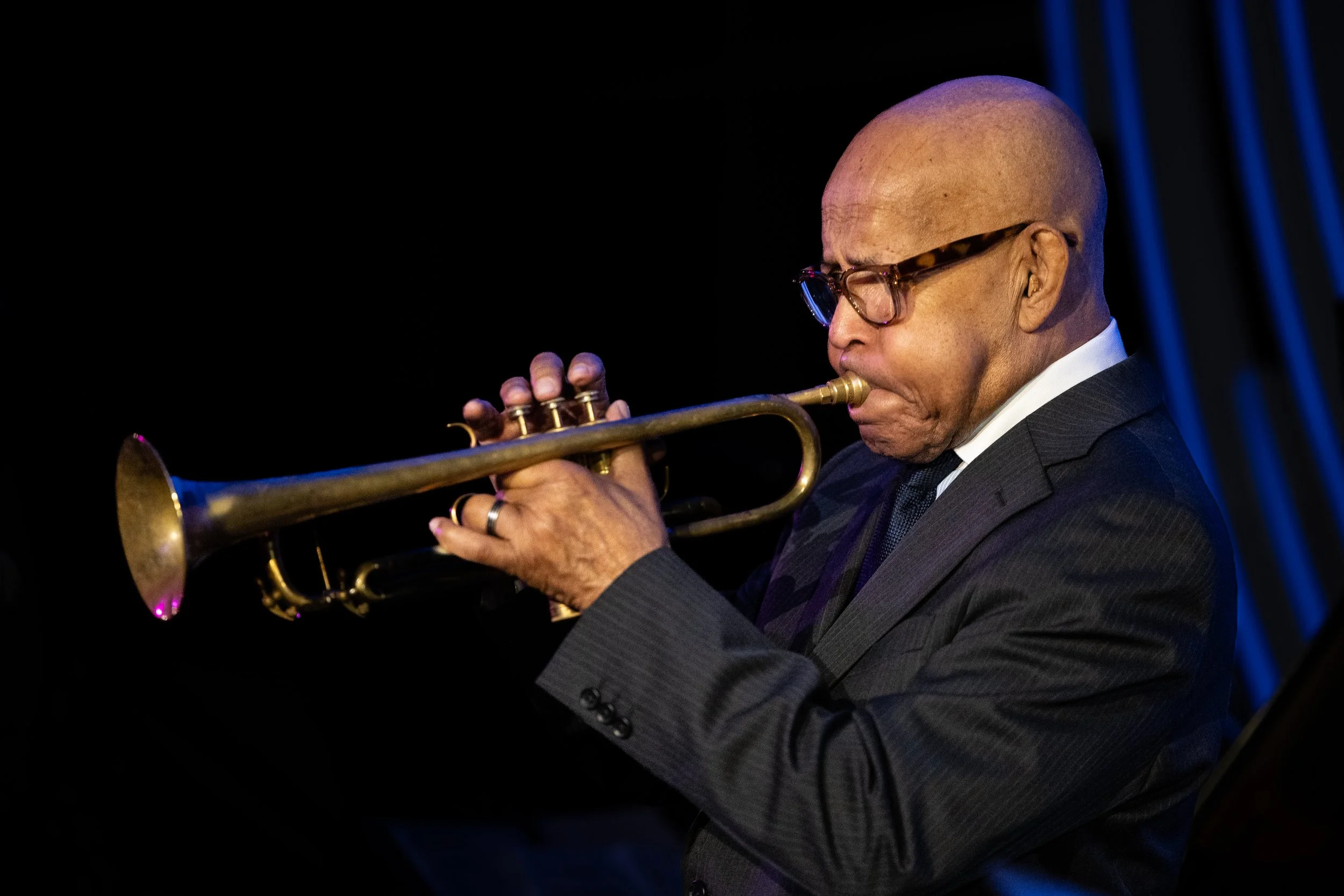
Henderson also spoke warmly about the musicians joining him. He has known Lenny White since White was eighteen, already fresh from recording Bitches Brew. He values that direct proximity to Miles’s world, the sense of “shoulder to shoulder contact” with musicians who are part of the lineage. He feels the same way about Buster Williams and about Javon Jackson, whom he praised as “such a professional perfectionist.”
The last phrase highlights another key point. Henderson perceives Jackson as a musician who has grown over time, shifting from an early Joe Henderson influence to a more Coltrane-focused style. In the context of this Miles program, that development is significant. It adds another layer to the historical conversation: Miles and Coltrane, source and successor, conciseness and drive, all expressed through contemporary voices with their own authority.
Henderson’s role in this concert becomes clear. He carries both memory and method. He heard Miles early on. He learned the difficult lesson about imitation. He learned to pursue sound, to play music rather than just playing trumpet, to build a language, and then communicate through it. That journey gives his presence on this bandstand a special weight.
He still talks about Miles with admiration. He still recalls that room. He still feels the energy. And when he steps onto the Miner stage for this sold-out SFJAZZ concert, he brings with him the rarest gift a tribute can offer: firsthand memory turned into living practice.
Photos: Steve Roby
Listen to our 2024 interview with Dr. Eddie Henderson here.