Javon Jackson: From Dylan’s Poetry to Miles’ Precision
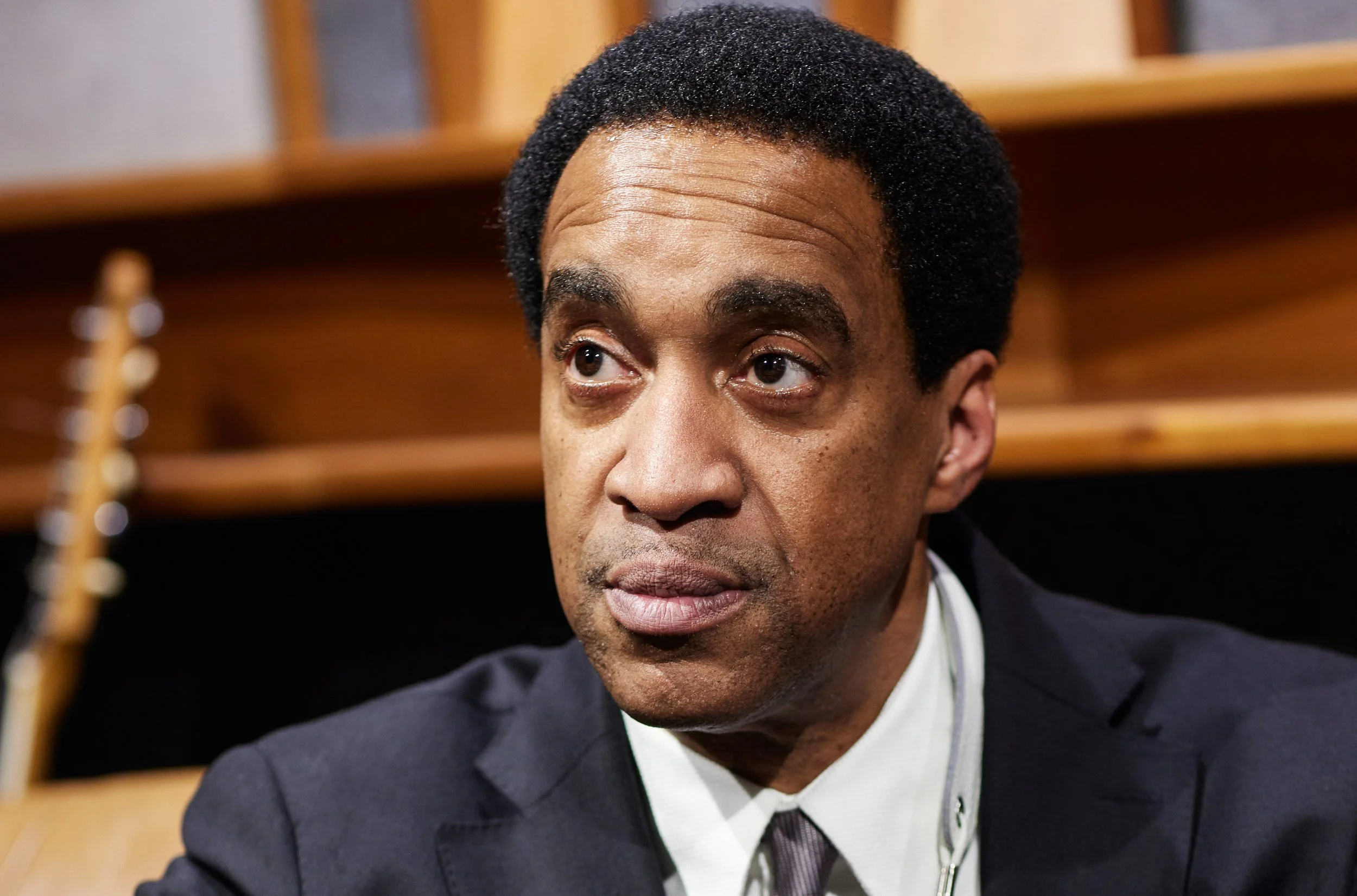
On Jackson Plays Dylan, the veteran tenor saxophonist views Bob Dylan as a poet of protest, vulnerability, and humanism. As he prepares to perform at SFJAZZ for a Miles Davis tribute, Jackson links these two projects through lineage, discipline, and the art of saying more with less.
Listen to the full conversation with Javon Jackson below.
Hearing Dylan as Poetry
For many jazz musicians, Bob Dylan sits somewhat outside their usual listening circle. For Javon Jackson, that distance became a strength. He approached Dylan’s work without the weight of rock orthodoxy or the need to fit into familiar folk shapes. He came as a jazz musician, listening for language, moral strength, and melodic potential. That outlook informs Jackson Plays Dylan, his new album, which features songs from over three decades of Dylan’s work and reinterprets them through Jackson’s rich tenor sound and a band attentive to groove, texture, and dramatic flow.
Jackson described his route to Dylan in straightforward terms. Growing up, he was little aware of rock music. Dylan entered his life in his twenties, when Art Blakey’s attorney, Mary Becker, started sharing that music with him. What caught his attention initially wasn’t genre but substance. “I appreciated the words, the verbiage,” Jackson said, and he was attracted to Dylan’s willingness to speak for “the underserved and underrepresented.” In Jackson’s view, the songs carried social importance, but they also revealed something more personal. “A lot of his music, in my mind anyway, they’re love songs,” he said.
Jackson does not see Dylan as a rock monument. Instead, he regards him as a writer whose work combines craft, emotional honesty, and social awareness. In the interview, he placed Dylan within a broader continuum that includes Nikki Giovanni, Maya Angelou, Josh White, American songbook writers, and hip-hop poets. Poetry serves as the connection. The repertoire reflects this view, spanning from “Blowin’ in the Wind” and “The Times They Are A-Changin’” to “Hurricane,” “Gotta Serve Somebody,” “Lay, Lady, Lay,” “Forever Young,” and “Make You Feel My Love.” Protest and tenderness coexist, which is exactly what attracted Jackson.
The Shadow of Nikki Giovanni
The album adds another layer of feeling as well. Jackson originally envisioned the Dylan project with Nikki Giovanni in mind. After their collaborations on The Gospel According to Nikki Giovanni and Javon and Nikki Go to the Movies, Giovanni planned to write new poetry in dialogue with these songs and even hoped to reach out to Dylan himself. Her death in December 2024 changed the meaning of the record. What had started as a tribute to Dylan became a dual tribute instead.
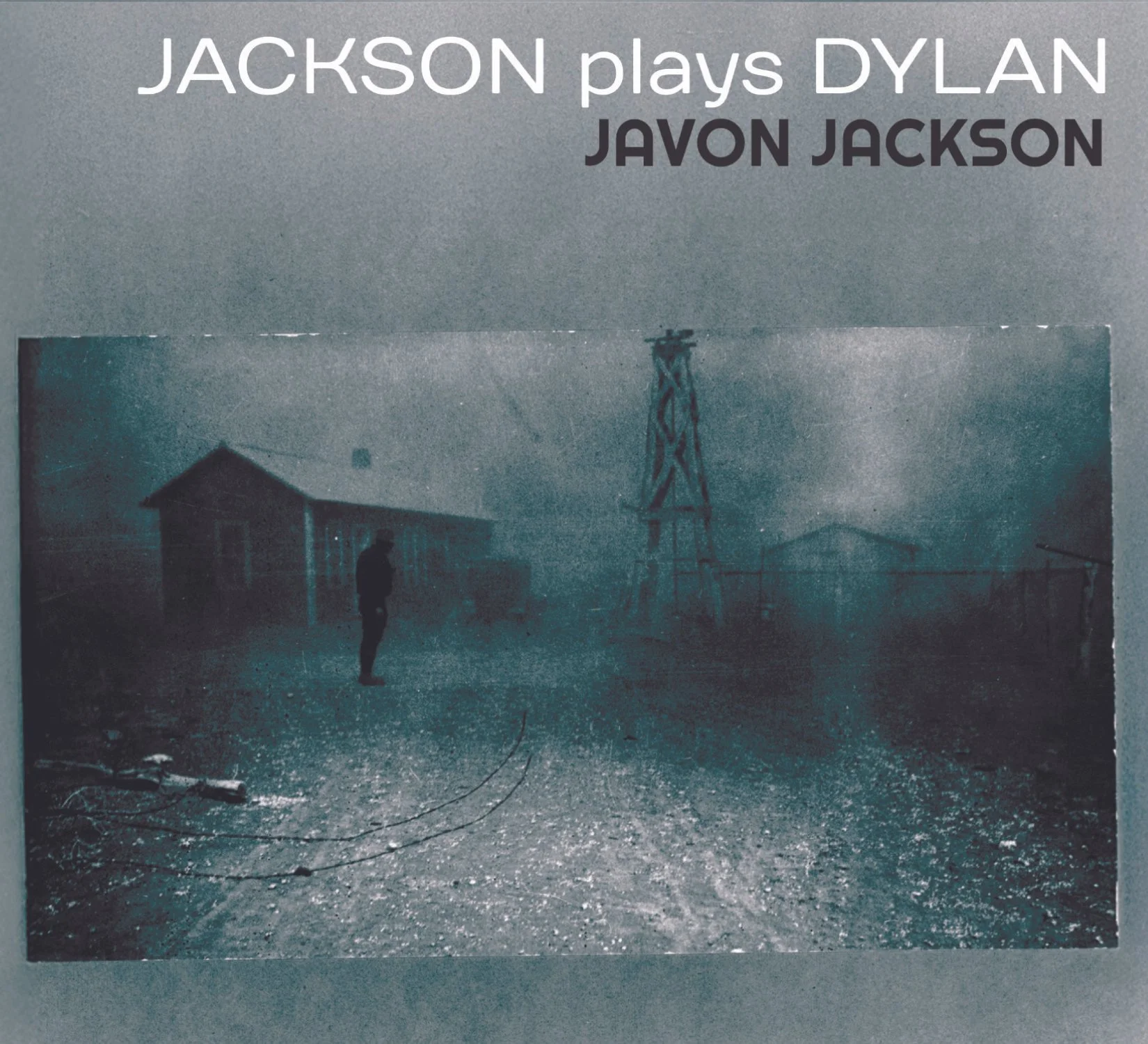
Jackson spoke about Giovanni with genuine gratitude. She, he said, “helped me to see things from a whole other vantage point,” adding, “I’m better for it, and I’m a different person” because of the years they spent working together. Those remarks give Jackson Plays Dylan its deepest frame. Jackson is not simply borrowing Dylan for repertory. He is continuing a conversation about poetry, witness, and moral imagination that Giovanni helped him sharpen.
That emotional undercurrent also influences the music itself. Jackson described the recording process as natural, with just light rehearsal before the band went into the studio. He wanted the album to flow through crossfades and segues, with each track planting the seed for the next, so that the record would move like a suite rather than a collection of separate interpretations. The approach reveals how Jackson perceives arrangement: not as decoration, but as a narrative flow.
His account of “Hurricane” was especially revealing. Jackson traced his connection to the song back to the 1999 film The Hurricane and to Dylan’s efforts to speak out for middleweight boxer Rubin Carter. For his arrangement, Jackson envisioned an East Coast 1970s vibe, influenced by boogaloo and grounded by Fender Rhodes, with enough syncopated earthiness to keep the performance moving forward. It is a social song, but Jackson also treats it as a musical environment, building a groove sturdy enough to carry the weight of its subject.
Getting Close to the Source
That same blend of reverence and reinvention carries into Jackson’s next Bay Area appearance: SFJAZZ’s Miles Davis program in Miner Auditorium on March 21, where he joins Eddie Henderson, Lenny White, Donald Harrison, Charles “Buster” Williams, and Patrice Rushen for two sold-out performances dedicated to Miles’s acoustic years. The event spans the first quintet and Kind of Blue to later 1960s material associated with the second quintet.
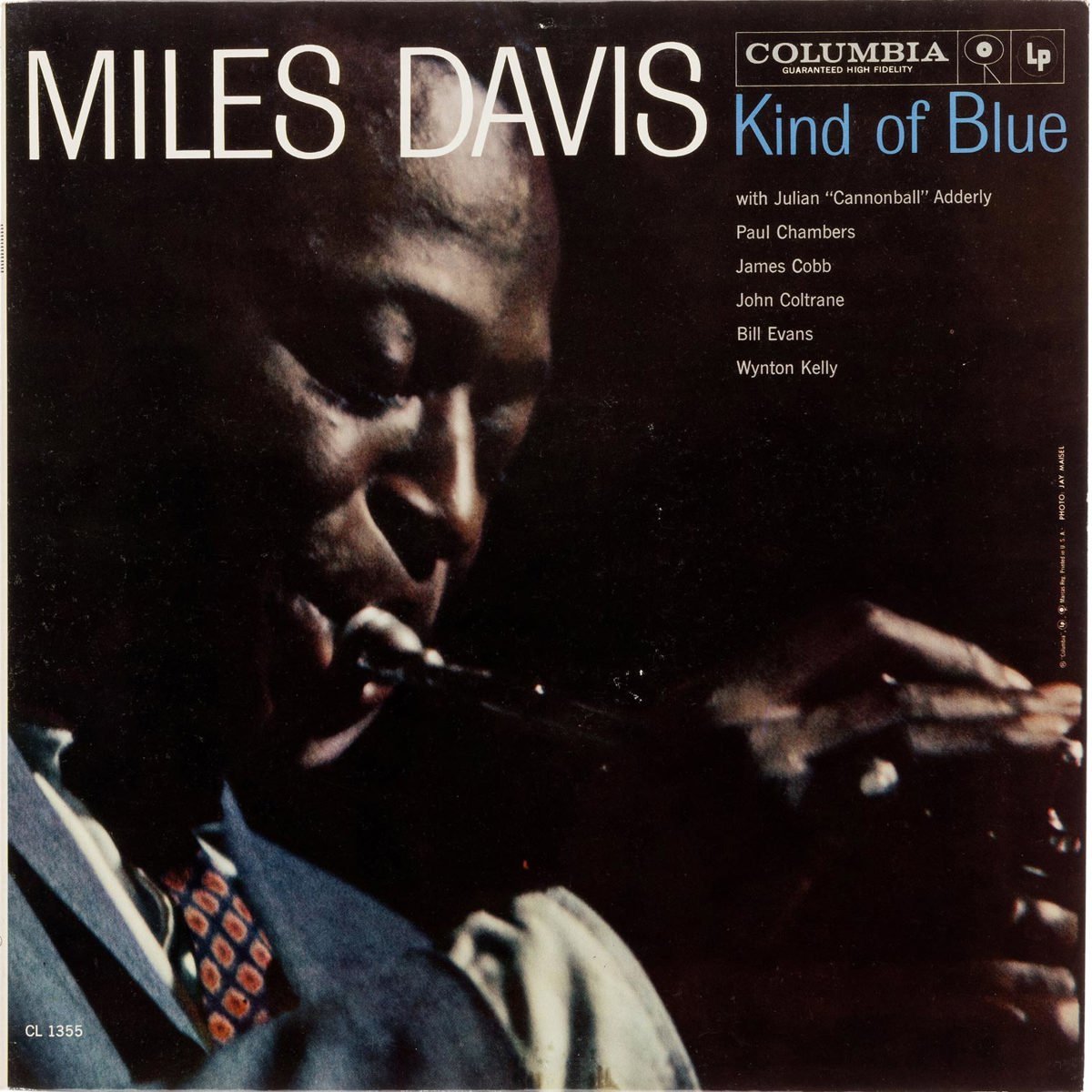
Jackson approaches that material with a veteran’s respect for history and a messenger’s resistance to imitation. Recalling a lesson from Art Blakey, he remembered being told not to worry about Wayne Shorter when stepping into the Jazz Messengers songbook: “Just be you.” That advice remains central to how he interprets a Miles tribute. Honor the spirit, understand the lineage, study the shapes of the music, then bring your own voice to the bandstand. His most vivid thought about Miles came through another Blakey story. Art once asked the Messengers to describe their day in 200 words. Of course, they could. Then he asked whether they could do it in 10. “That’s Miles Davis,” Jackson said.
The line points to the principles he most admires in Miles: compression, clarity, and the discipline to make every phrase impactful. Jackson called that genius. He also challenged overly simple views of John Coltrane, insisting that Coltrane was not only “sheets of sound” but “a blues man” who knew how to get to the core of a note and leave space around it. Jackson’s view of lineage depends on listening closely enough to understand what made the music groundbreaking in the first place.
The personnel deepen that idea. Henderson provides firsthand insight into Miles’s world. White arrives with the authority of a drummer who played on Bitches Brew. Williams offers another direct connection, while Rushen and Harrison expand the band’s expressive range without losing its historical core. Jackson talked about trying to get “as close to source” as possible, not through impersonation, but by absorbing the values inside the music and letting this ensemble bring the material to life again.
In that sense, the Dylan album and the Miles concert are companion pieces. One introduces us to a songwriter Jackson came to know through poetry, protest, and human feeling. The other reconnects him with a core jazz language marked by conciseness, blues weight, and collective memory. Together, they reveal the same artist: a musician who sees American music as a single conversation and, each time out, strives to say something true.
Photo: Arthur Elgort