Miles Davis Heard Hip-Hop Coming
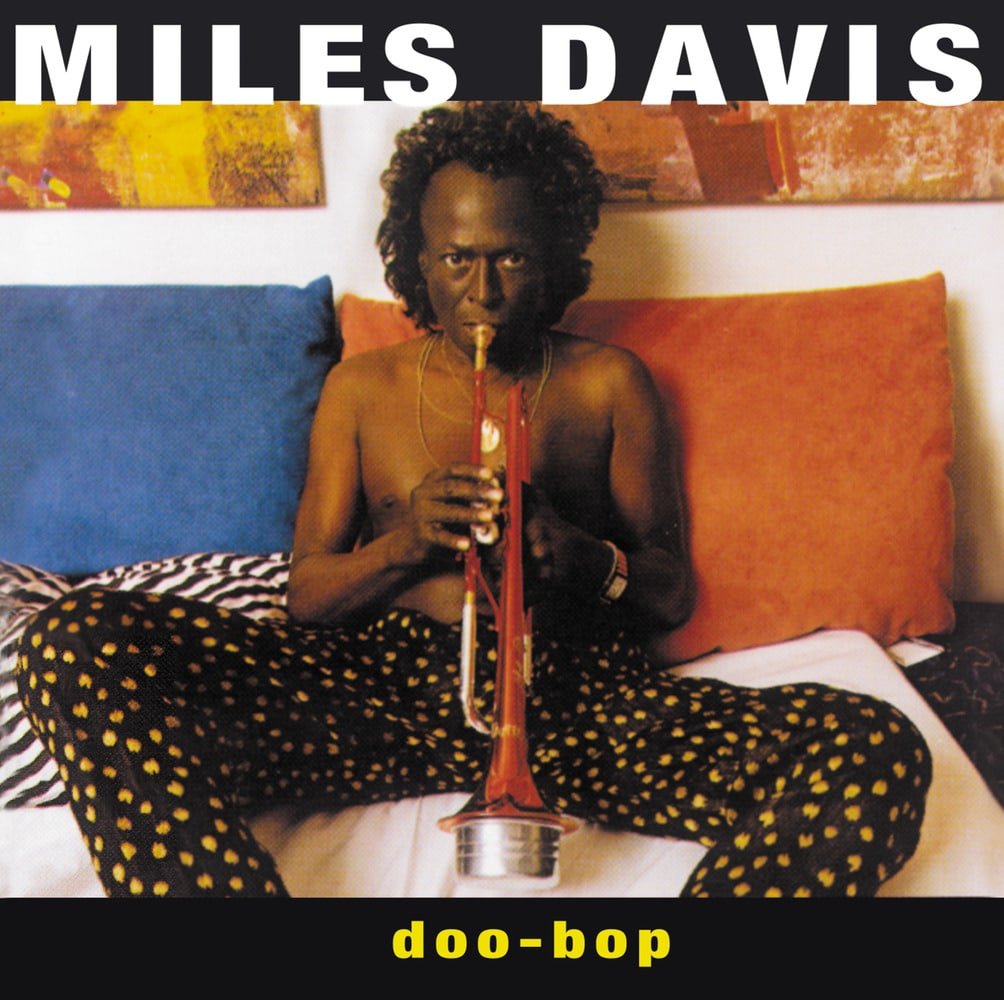
Night 1 of SFJAZZ’s Miles Davis centennial series showcased Doo-Bop as Miles Davis’s final album, with Sway Calloway, Easy Mo Bee, Vince Wilburn, Donald Harrison, and DJ Flow highlighting how the trumpeter moved toward hip-hop with purpose, desire, and instinct.
Kevin Tomlinson of SFJAZZ introduced the panel in Miner Auditorium on Thursday night, setting the stage for the opening event in the center’s four-part Miles Davis centennial celebration. What followed was less a tribute than a reevaluation: an hour-long discussion about Doo-Bop, Miles Davis’s final studio album, which panel members regarded the 1992 release as a restless late-career experiment driven by curiosity, cultural awareness, and a refusal to rest on legacy.
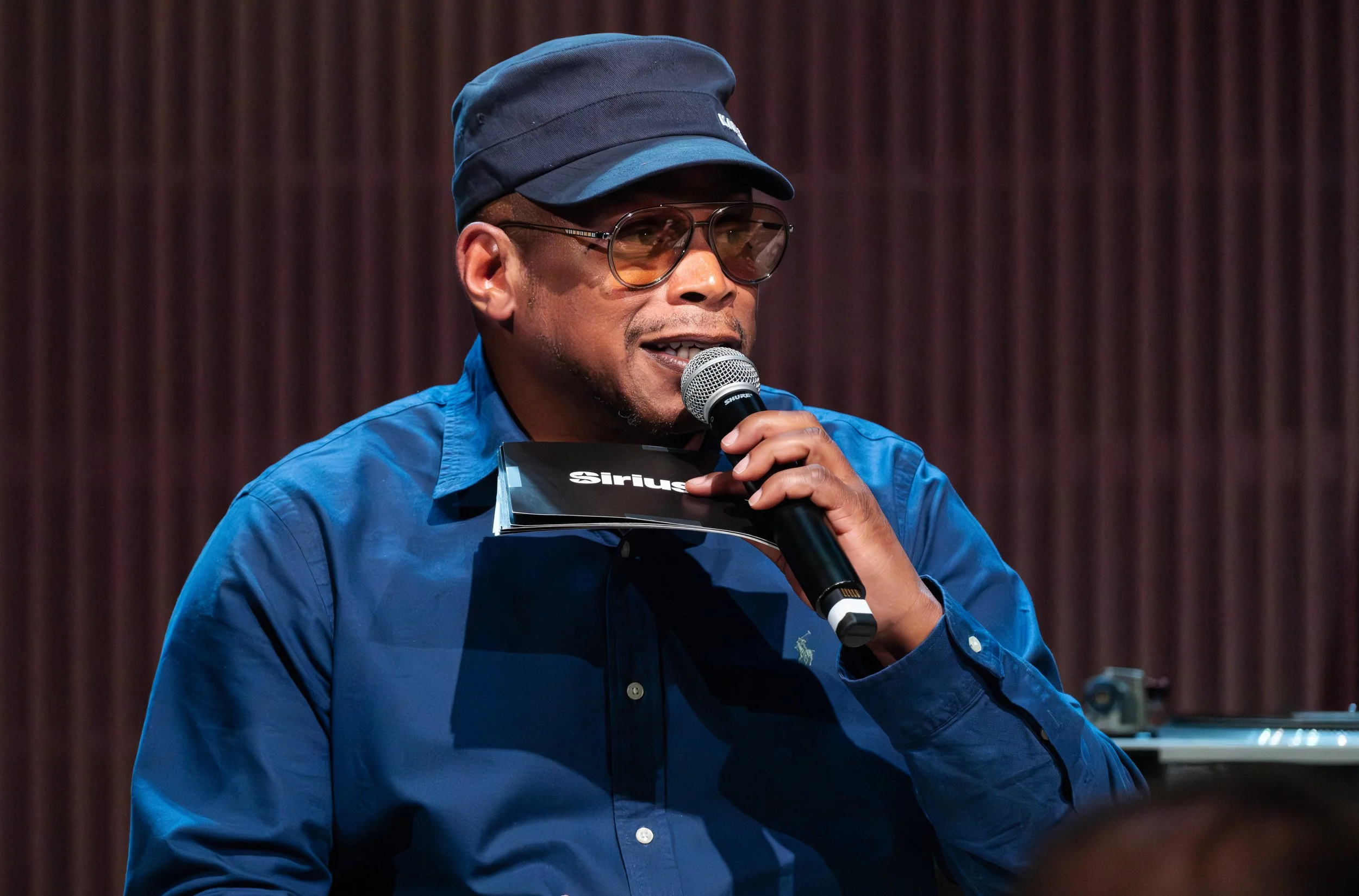
Panel moderator Sway Calloway. Photo: Steve Roby
Hosted by Sway Calloway and featuring producer Easy Mo Bee, Miles Davis's nephew Vince Wilburn, NEA Jazz Master Donald Harrison, and Bay Area DJ Flow, the evening centered on the album’s origins, its mixed reception, and the ongoing debate over what it signified for Miles to explore hip-hop later in his life. By the time the crowd moved into the lobby for DJ Flow’s afterparty, the picture had become clearer. Doo-Bop proved to be Miles’s final search, not a sidestep.
Miles and Hip-Hop in Real Time
Sway provided the historical context for the discussion. He traced the late '80s and early '90s period when jazz and hip-hop began to merge publicly, citing Stetsasonic, Gang Starr, Digable Planets, A Tribe Called Quest, and Jazzmatazz as key examples of a larger movement. His main point was clear: when Miles turned to hip-hop, he was listening to a living genre that had already started incorporating jazz elements through sampling, improvisation, and live instrumentation.
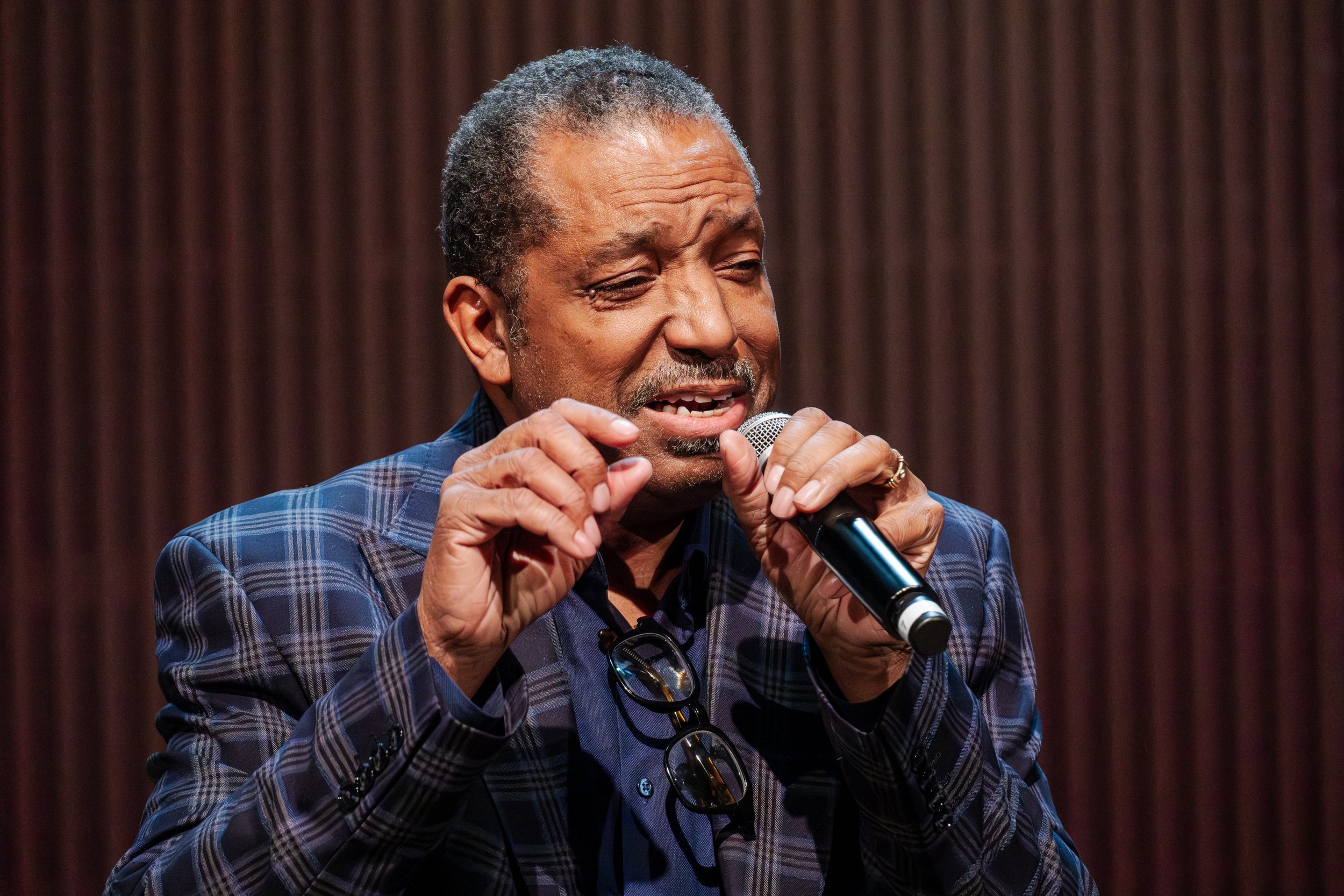
Donald Harrison. Photo: Steve Roby
Donald Harrison elaborated on that argument. He remembered that many jazz purists rejected the blend, while he saw potential in it from the beginning. “I fell in love with hip hop because, as was said, it’s a mixture of everything,” Harrison told the audience. He spoke about experimenting with hip-hop and jazz in the 1980s and about wanting horn players to “learn how to rhyme” so they could phrase with the flow of an MC. He also stressed the importance of dance energy. He wanted this music to move bodies as well as minds.
That idea mattered because it positioned Doo-Bop within a broader narrative. Miles was not just experimenting; he was progressing toward a soundscape that already embodied rhythm, tension, street language, and momentum in ways that resonated with him.
The Producer Miles Wanted
The most vivid stories of the night came from Easy Mo Bee, who recalled being only two years into the business when his manager told him that “Miles” wanted to meet. Only then did he learn that the Miles in question was Miles Davis.
Easy Mo Bee’s retelling of their first meeting was full of humor, nerves, and a vivid sense of scene. Miles asked if he was hungry. Fried chicken appeared. Then the music began. Easy Mo Bee brought a reel featuring material related to Big Daddy Kane and tracks by the artist later known as the GZA. He noticed that Miles barely reacted to some of it. Then a harder, more aggressive beat played, with a Public Enemy-like intensity, and the room shifted.
“He looked at the turntables, then at me, and asked, ‘Can you do that for me?’” Easy Mo Bee recalled.
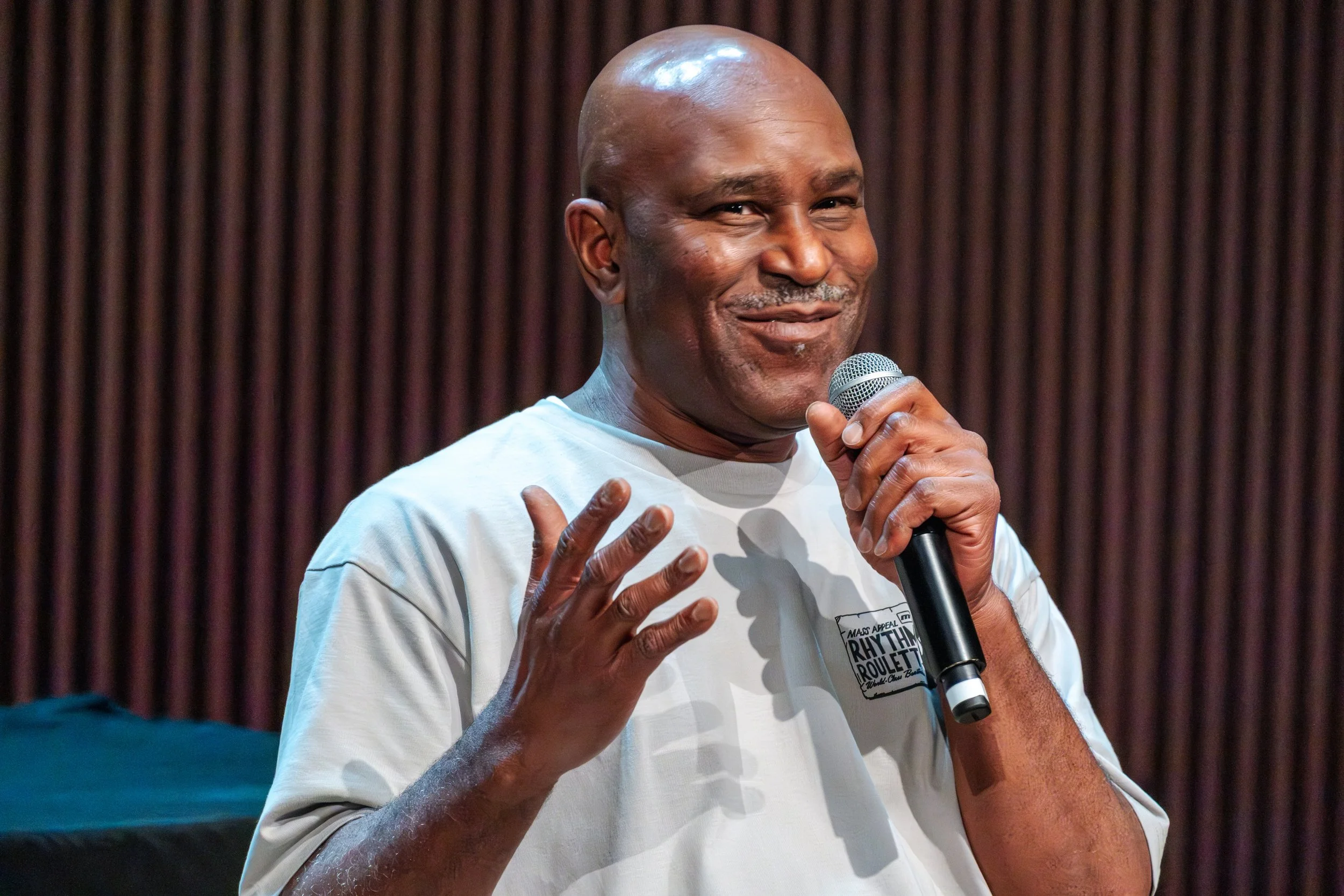
Easy Mo Bee. Photo: Steve Roby
That line defined the evening's focus. Miles wasn't seeking a polite hybrid or a gentle crossover gesture. He wanted impact. He craved edge. He sensed something in the harder material that resonated with his own desire for pressure and forward motion.
Easy Mo Bee also described the audition process that led up to the collaboration. Other producers submitted tracks. Some didn’t understand the room. Some misinterpreted the assignment entirely. Easy Mo Bee stayed quiet, watched, and waited. Then Miles called him back. “It got real quiet,” he said. “Miles said, ‘I didn’t like that. I got you, Mo Bee, I got you!’”
That moment transformed the album into a story of mutual recognition: an elder artist hearing something in a young producer, and a young producer realizing that Miles aimed for the riskier path.
What Doo-Bop Really Was
The panel did some of its best work when it moved beyond anecdote and into the album’s construction. Easy Mo Bee explained that six songs were recorded before Miles had to leave for performances. After Miles fell ill, the project had to be finished by building around unreleased material from the Rubberband sessions. Two of those tracks became “Fantasy” and “High Speed Chase,” and the album took shape under difficult circumstances.
That history helps explain why Doo-Bop has always felt somewhat unresolved. It is a record made in the shadow of loss, but it is also a record driven by intention. Easy Mo Bee said the music reflected an “amalgamation of different styles,” with elements of New Jack Swing alongside harder hip-hop textures. Some of his peers wanted it rougher. Miles and manager Gordon Melton wanted him to continue in the direction he had chosen. “This is exactly what he wanted,” Easy Mo Bee said.
He also shared one of the evening’s most revealing stories about the album’s title. The songs had no names. Miles gave him complete freedom to name both tracks and the album. Easy Mo Bee’s explanation of the term “Doo-Bop” traced it back to an earlier doo-wop/hip-hop concept and then to bebop, creating a name that felt hybrid by design. The word itself sounds like a splice, and that was the point.
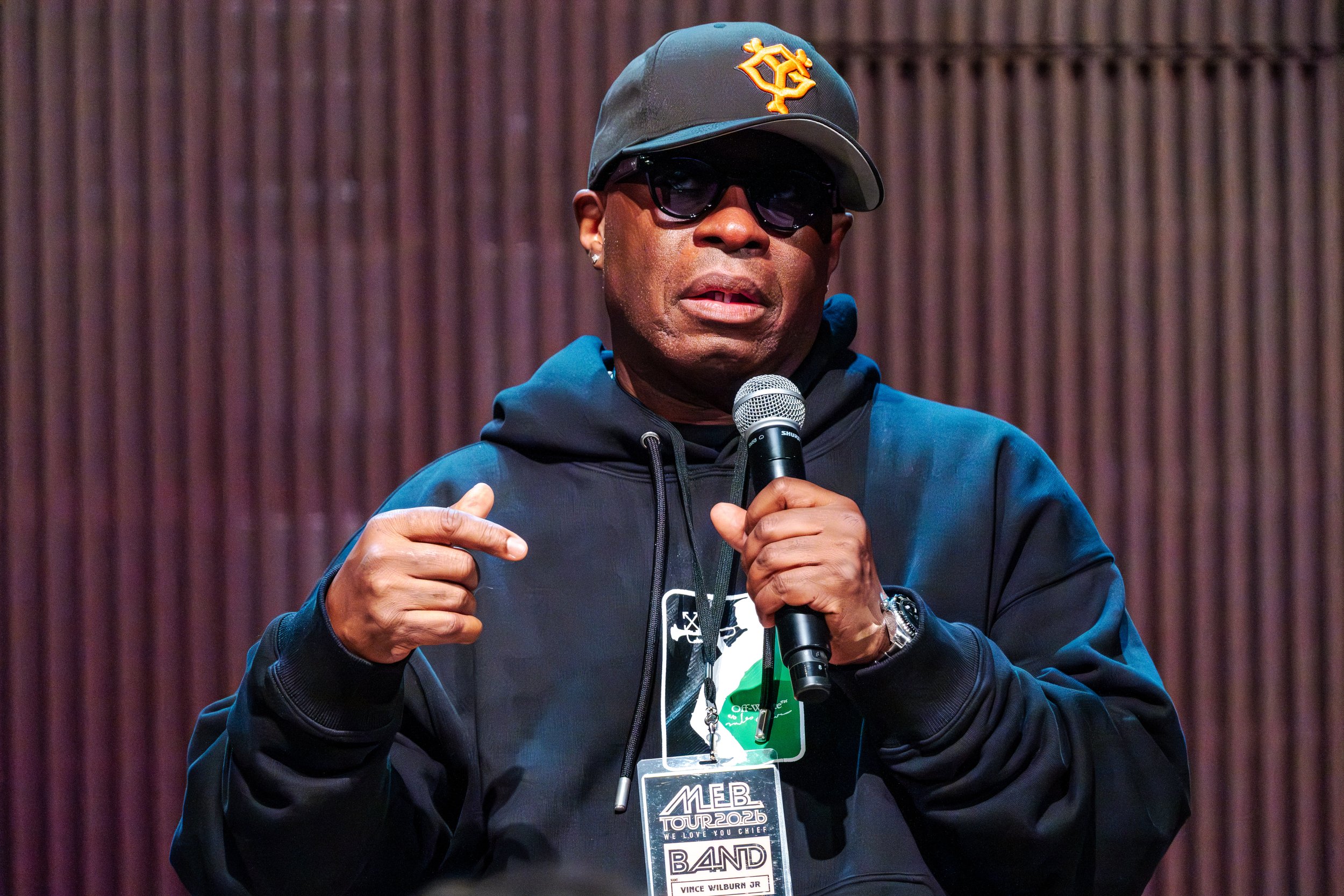
Vince Wilburn. Photo: Steve Roby
Vince Wilburn offered a more personal glimpse of Miles as an artist always in motion. He described life in Malibu with “Uncle Miles” shifting between painting, television, trumpet, piano, and records coming into the house after something on MTV caught his interest. “He lived and breathed music from the moment he woke up until he went to sleep at night,” Wilburn said. He remembered Miles keeping current sounds nearby, observing street happenings, and always wanting to know where music was heading next.
That account made Doo-Bop feel completely aligned with Miles’s habits. He was scanning, testing, adapting, and working the edges.
The Album as Final Search
Sway questioned why Doo-Bop never fully gained traction in the marketplace, and both Wilburn and Easy Mo Bee responded honestly and with frustration. In 1992, the industry was unsure how to handle a project that blurred the lines between jazz, hip-hop, and pop marketing categories. Wilburn cited timing and context as factors. Easy Mo Bee openly discussed the skepticism the album faced from some parts of hip-hop. Even its Grammy win in Best R&B Instrumental Performance highlighted the confusion surrounding it.
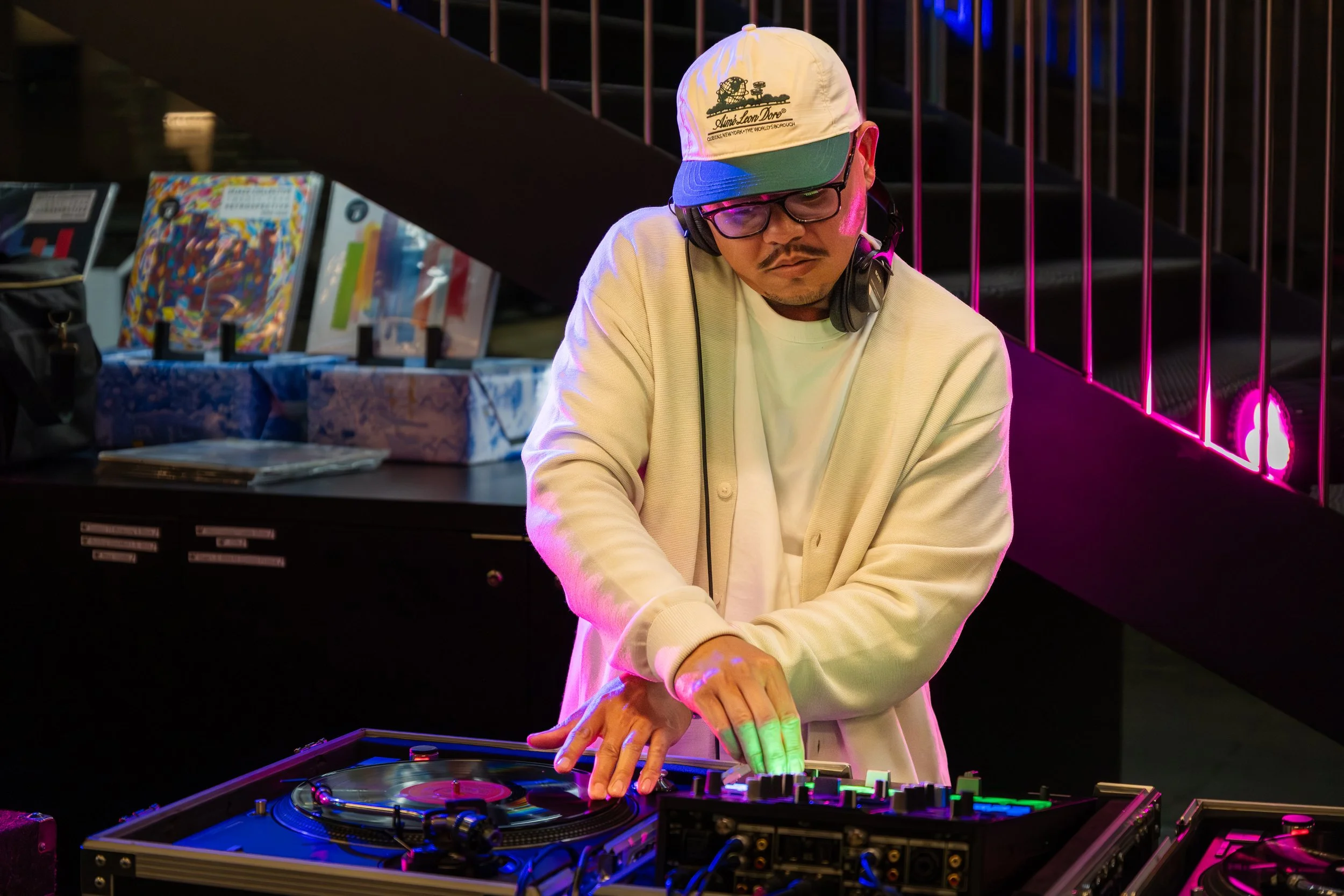
DJ Flow at the afterparty. Photo: Steve Roby
However, the discussion gave the record something it often lacked: a real, human perspective. Harrison’s defense of jazz and hip-hop as compatible languages, Wilburn’s portrayal of Miles as an obsessive listener, and Easy Mo Bee’s studio stories all led to the same conclusion. Doo-Bop was not just a side project or a late-career experiment. It was Miles Davis recognizing where the culture was headed and trying to engage with it on his own terms.
That was the impact of Thursday’s opening night at SFJAZZ. The panel renewed focus on an album that has often been dismissed as a mere footnote. It unveiled a final studio statement shaped by desire, instinct, and unfinished motion. For an artist known for constant reinvention, Doo-Bop now feels less like an outlier and more like a final burst of energy from Miles.
When the audience moved into the lobby for DJ Flow’s 90-minute dance set, the transition felt natural. The room kept the conversation going with rhythm. Miles was still palpable as people moved.
Program Notes
Event: Miles Davis's Doo-Bop & Beyond
Date: Thursday, March 19, 2026
Showtime: 7:30 p.m.
Venue: Miner Auditorium, SFJAZZ Center
Afterparty DJ set: DJ Flow
Panel Discussion: hosted by Sway Calloway with Vince Wilburn, Donald Harrison
Listen to our interviews with Eddie Hendersom, Lenny White, and Javon Jackson talking about Miles Davis here.