Arturo Sandoval’s SANGÚ Finds the Fire at the Source
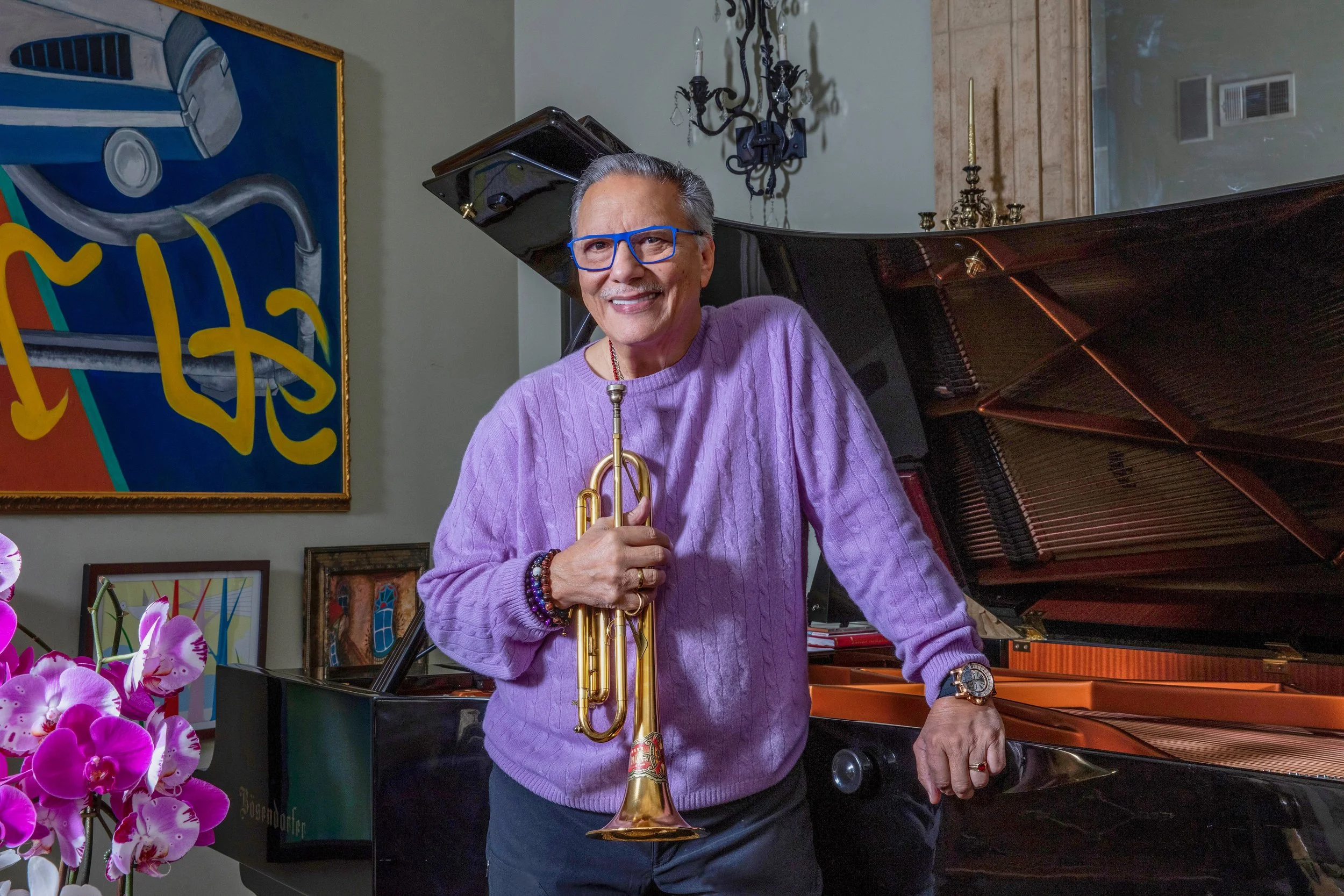
For more than five decades, Arturo Sandoval has played with a level of virtuosity that still feels almost unreal in the moment. The trumpet runs arrive with blinding speed and precision, the upper-register notes cut through a room with laser focus, and the rhythmic momentum never loosens its grip. Yet for all the technical brilliance that has defined Sandoval’s career, his new album, SANGÚ, may be most striking for something else entirely: its sense of grounding.
This is not an album built around legacy maintenance or retrospective celebration. Instead, SANGÚ sounds like an artist reconnecting with the deepest musical currents that shaped him while continuing to push creatively. Afro-Cuban rhythm, jazz harmony, Yoruba spiritual influence, funk propulsion, Cuban melodic language, and bebop intensity flow together naturally throughout the record. The result feels expansive yet never overdesigned. It breathes with instinct.
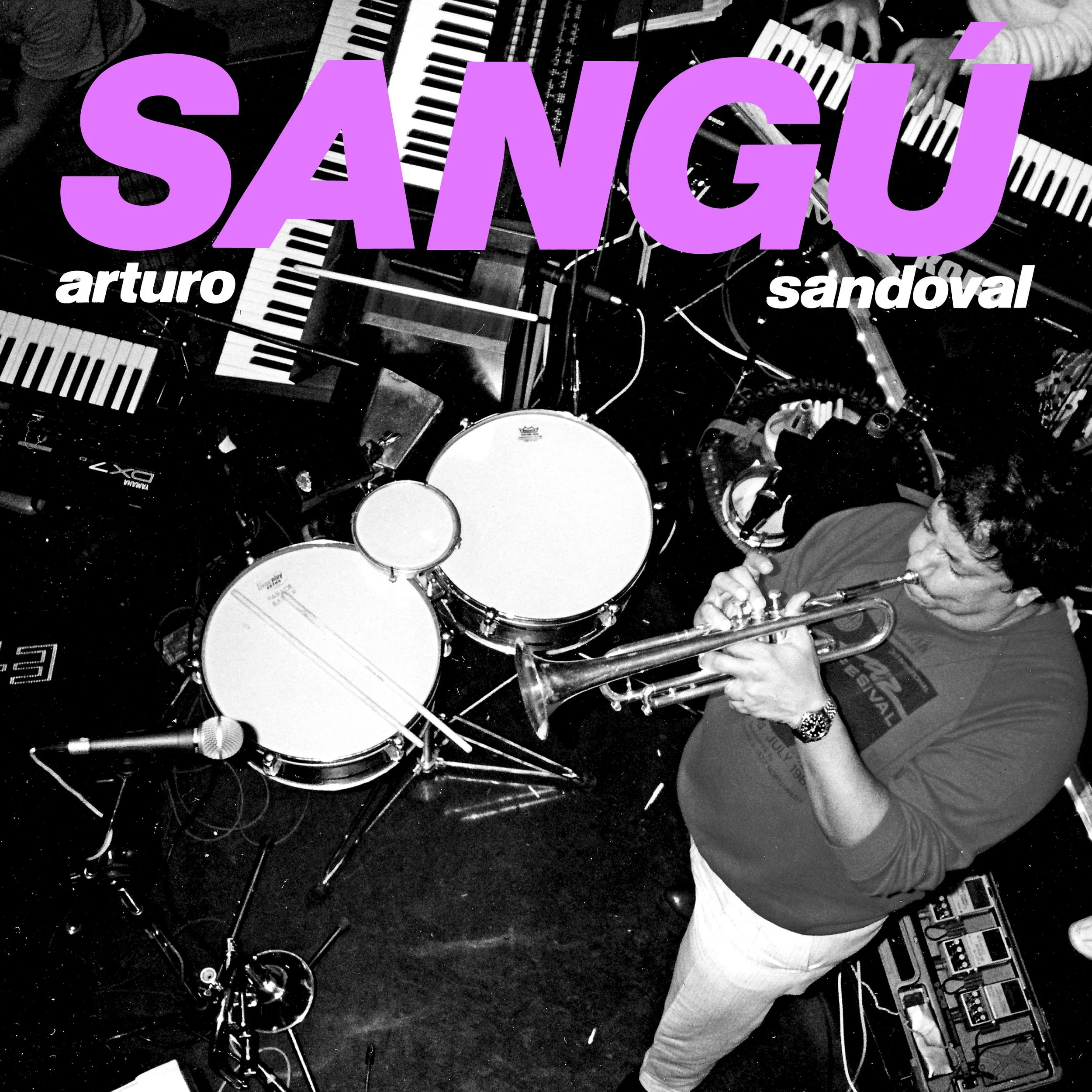
At 75, Sandoval remains one of the defining figures in modern Afro-Cuban jazz. A Kennedy Center Honoree, Presidential Medal of Freedom recipient, ten-time GRAMMY winner, Emmy-winning composer, and longtime protégé of Dizzy Gillespie, he has spent decades moving fluidly among jazz, classical music, film scoring, and large ensemble writing. SANGÚ, however, narrows the focus in a revealing way. Rather than emphasizing scale, it emphasizes essence.
The album emerged from an unusually intimate creative process centered on family collaboration. Sandoval worked closely with his son, Arturo “Tury” Sandoval III, and his daughter-in-law and manager, Melody Lisman, fostering an environment in which experimentation and trust could organically drive the sessions. That closeness becomes part of the album’s identity. The music feels lived-in rather than assembled.
There are echoes of Irakere throughout the project, the revolutionary Cuban ensemble Sandoval co-founded in the 1970s with Chucho Valdés and Paquito D’Rivera. Irakere transformed the possibilities of Afro-Cuban jazz by blending folkloric percussion traditions, jazz improvisation, rock energy, and classical sophistication into an explosive, contemporary sound. SANGÚ carries that same spirit of fearless fusion, yet it never feels like an attempt to recreate the past.
Instead, Sandoval distills decades of experience into a leaner, more personal framework. Batá-inspired rhythms pulse beneath brass arrangements that retain a bebop bite. Congas, bells, güiro, and montuno patterns interact with funk grooves and jazz harmony in ways that feel completely unforced. The record never treats genre as a set of compartments. Everything belongs to the same language.
That sense of integration becomes especially clear in the title track, “Sangú.” Afro-Cuban percussion drives the composition from the center outward, while the horns snap with rhythmic authority. The phrasing carries unmistakable Cuban character, yet the improvisational vocabulary remains deeply rooted in jazz. The groove has ritualistic force without losing momentum.
Elsewhere, the album showcases Sandoval’s remarkable range as both a musician and a storyteller.
On “Scat,” listeners hear a side of Sandoval that longtime concert audiences already know well: the playful interplay between his trumpet lines and his voice. The performance moves with rhythmic agility and humor, capturing the spontaneous joy that often defines his live shows.
“Red Trumpet” shifts toward something more restrained and lyrical. Sandoval allows space and patience to shape the piece’s emotional arc, resisting the temptation to overwhelm the arrangement with sheer velocity. The phrasing unfolds gradually, revealing a musician equally capable of tenderness and fire.
“Babalu Ayé” ventures into spiritual territory, honoring themes of healing and devotion associated with San Lázaro. The performance carries emotional weight without becoming heavy-handed. Throughout the album, tracks such as “El Río Suena,” “Azulito,” “With The People,” “Panza,” “La Ventura,” “Days in the Sun,” “New Paradise,” and “Rolling Hills” continue to broaden the record’s emotional and rhythmic palette.
Ultimately, what gives SANGÚ its power is the absence of calculation. The Afro-Cuban pulse is not an aesthetic exercise for Sandoval. It is an inheritance. The jazz vocabulary is not academic fluency. It is the language he fought to claim as a young musician, secretly studying bebop in Cuba before becoming one of the architects of modern Afro-Cuban jazz.
That history remains inseparable from the music. Sandoval’s life story — from a boy in Artemisa drumming on tabletops to an internationally celebrated artist who transformed exile and freedom into creative fuel — quietly informs every track on the album. Yet SANGÚ never sounds burdened by biography. The music remains immediate and alive in the present.
The album also reflects a broader network of creative support. Early patronage from Daisuke Oda and Darren Romanelli through Magic House in Tokyo helped bring the project to life and gave the music room room to develop on its own terms. Their involvement reinforced the collaborative spirit from the beginning.
What emerges on SANGÚ is not simply another accomplished release from a legendary musician. It is the sound of sustained curiosity. Sandoval still searches within the music. He still experiments with texture, rhythm, phrasing, and momentum. Most importantly, he still plays with the urgency of someone discovering new possibilities.
That vitality should translate powerfully to the stage when Sandoval returns to the Bay Area this summer.
Arturo Sandoval at Yoshi’s Oakland
Arturo Sandoval performs June 12-13 at Yoshi’s Jazz Club in Oakland.
Showtimes:
June 12 — 7:30 p.m. and 9:30 p.m.
June 13 — 7:30 p.m. and 9:30 p.m.
Tickets and additional information: https://yoshis.com/events/buy-tickets/arturo-sandoval-20/detail
For audiences familiar with Sandoval primarily through his breathtaking trumpet technique, SANGÚ offers a fuller portrait. The album highlights not only his virtuosity but also his deep rhythmic intelligence, emotional flexibility, and ongoing commitment to artistic risk.
Even after decades at the pinnacle of performance, Arturo Sandoval continues to play not like a monument to jazz history but like an artist still chasing the next musical revelation.