Keeping the Flame Alive at The Bach: Barbara Riching Carries a Coastal Jazz Legacy Forward
Perched above the Pacific Ocean in Half Moon Bay, The Bach Dancing & Dynamite Society has long held a singular place in Bay Area jazz culture. Musicians speak of it with reverence. Audiences return year after year for the cedar-lined room, the crashing surf below the windows, and the sense that live jazz there remains personal and human-sized.

Barbara Riching outside “The Bach.” Photo: Jim Bourne
For Barbara Riching, who now runs the venue her father Pete Douglas founded, preserving its atmosphere is both a responsibility and a daily challenge.
“My dad built this place for its intimacy,” Riching said. “It was not for money. It was to create this authentic experience.”
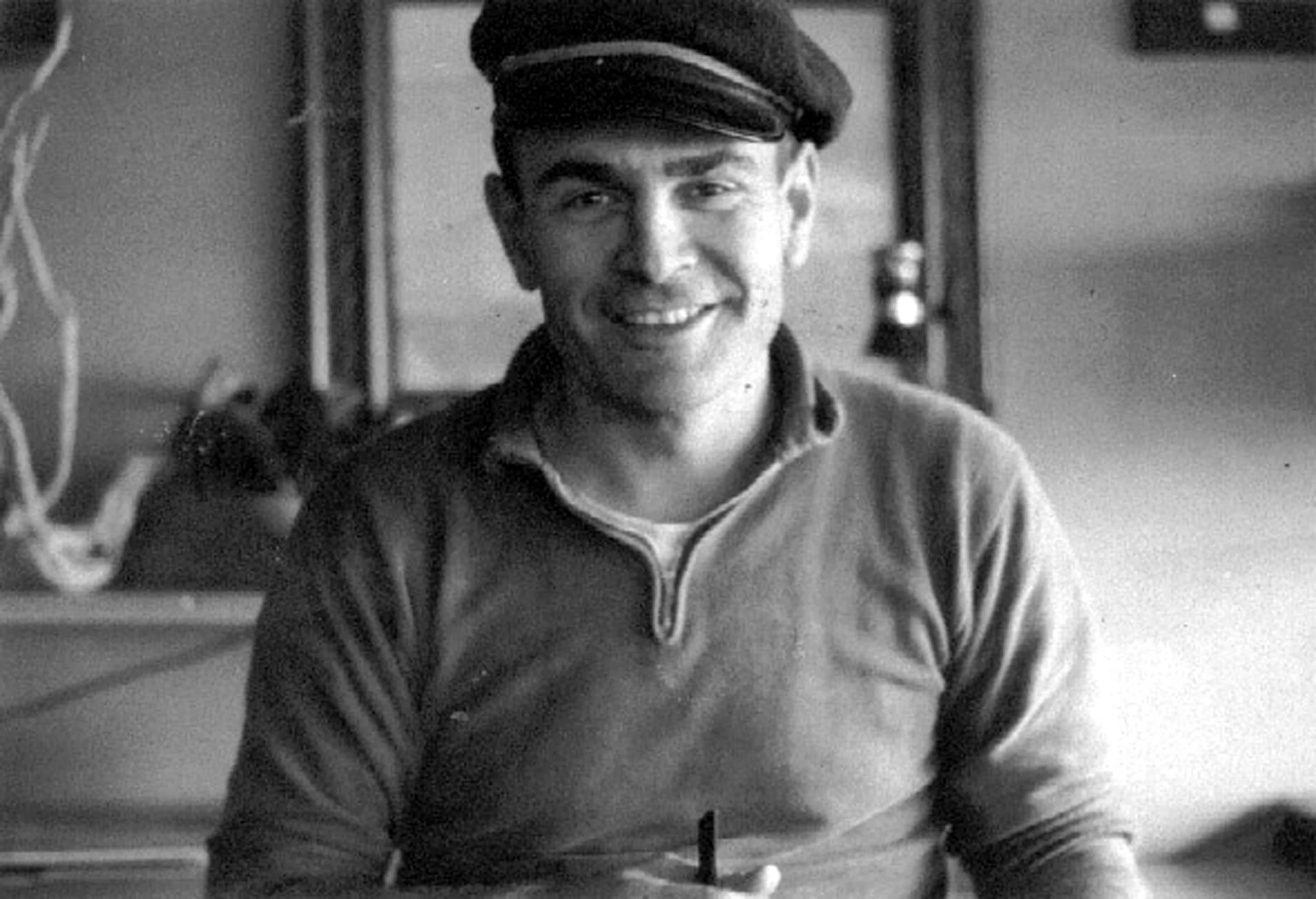
Pete Douglas. Courtesey of Barabra Riching
Douglas, a legendary presenter and jazz advocate who founded The Bach in the 1960s, envisioned a listening room where music and community were equally important. Riching said many people still misunderstand how deliberate that philosophy was.
“He really wanted a social aspect,” she explained. “It was really important to him to have this intimate room where people would actually socialize. He allowed people to bring their own bottle of wine, come early, and have a picnic. We still continue all those traditions because I know how important it was to my dad.”
That spirit remains central to the venue’s identity today. Audiences still arrive early, often turning their concert experience into a full coastal outing before settling into the upstairs room overlooking the ocean.
“I think it’s a big part of it,” Riching said about the setting. “People come, and it’s sort of like an event for the day. You can hang out, take a walk on the beach or enjoy the coast beforehand, and then come in for this really wonderful concert.”
For musicians, the experience can feel almost surreal.
“They’re the ones looking out at the ocean,” she said. “It’s almost like you’re in a boat when you’re upstairs. From the stage, all you can see is the ocean. They comment on it all the time.”
The beauty of the location, however, comes with financial realities. Maintaining an aging oceanfront building is costly, and Riching acknowledged the pressures facing a small nonprofit jazz venue in today's economy.
“The biggest thing is people don’t understand the cost,” she said. “People want free music, and it’s a big struggle.”
Like many presenters, she faces rising expenses while trying to keep ticket prices reasonable and artist fees competitive.
“I feel like musicians have hardly gotten a raise over the last 10 years,” Riching said. “It’s really hard for me to raise my prices.”
Even so, she believes The Bach still offers audiences an unusually generous experience, ranging from free parking to two-set performances by major artists.
“You get two sets, and it doesn’t matter whether it’s Joshua Redman or Emmanuel Wilkins,” she said. “It’s two sets.”
Programming the venue requires balancing artistic integrity, audience expectations, and financial risk. Riching approaches booking with a broad view of the jazz tradition while remaining committed to the music’s core language.
“I try to book all jazz genres, even the ones I don’t care for as much, just to mix it up,” she said. “I want my members to come regularly and experience something different every week.”
Still, her compass remains firmly rooted in straight-ahead jazz.
“For me, it’s got to be straight-ahead jazz,” she said. “There are lots of places for rock and blues, and there are only so many jazz clubs.”
That philosophy shapes a schedule that regularly blends internationally known artists with regional talent and emerging younger musicians. Riching said she intentionally programs newer voices alongside established names to keep the audience evolving.
One artist she recently booked after hearing him at the Cuban Jazz Festival was a 19-year-old Oakland musician she hopes will attract younger listeners.
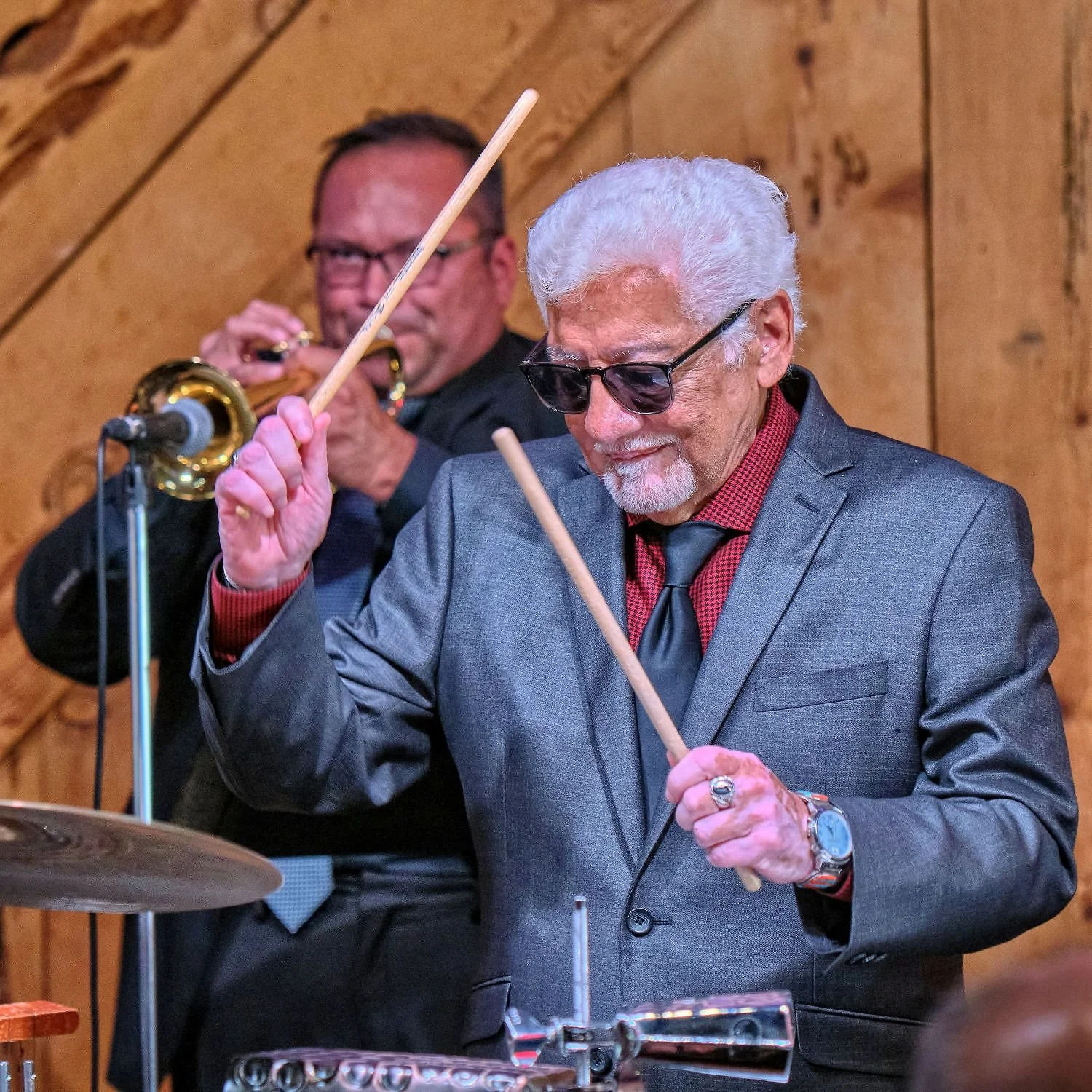
Pete Escovedo performs at Bach Dancing & Dynamite Society. Photo: Jim Bourne
“I’m trying to get these young’uns in here,” she said. “Try to keep exposing young people to jazz also.”
At the same time, she continues presenting veteran artists who have long histories with the venue and with Bay Area audiences. This season’s lineup includes a mix of Latin jazz, vocalists, avant-garde players, and piano masters — a reflection of her effort to keep every series varied while staying true to The Bach’s artistic identity.
Despite the rise of streaming platforms and digital concerts, Riching remains convinced that intimate live performance spaces are irreplaceable.
“There’s really no experience like live music,” she said. “When people walk out of that room, they are enlightened. They’re ready for the new week. They’ve had this really joyful experience.”
She believes The Bach offers something even many respected jazz venues cannot replicate.
“It’s the cedar walls, the views of the ocean,” she said. “You can hear the ocean as the musicians are playing. It’s just a really warm feeling.”
That warmth has helped build a loyal audience that extends far beyond Half Moon Bay. Riching estimates only about 20 percent of attendees are local, with patrons regularly driving from San Francisco, Oakland, Marin, and San Jose.
“It’s a lot of the same crowd,” she said. “I see them at SFJAZZ, I see them at Monterey Jazz Festival. I’m always running into my patrons.”
Still, Riching wants newer audiences to understand that despite its eccentric name and legendary reputation, The Bach remains open and welcoming.
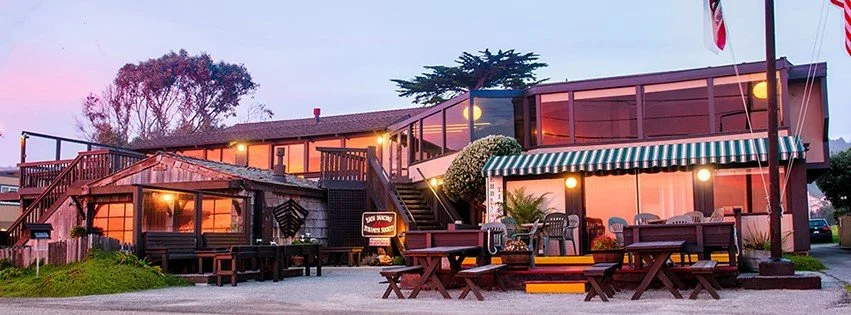
Bach Dancing & Dynamite Society
“Anyone can buy a ticket,” she emphasized. “Members do get first chance at tickets, but lots of times there are still really great seats available once we go public.”
The venue’s famously unusual name dates back to the Coastside counterculture atmosphere surrounding Douglas’ original café gatherings in the early 1960s. According to Riching, one night someone switched the music from dance tunes to Bach while another patron headed to the beach carrying dynamite.
“Someone said, ‘This is the Bach Dancing and Dynamite Society,’” Riching recalled with a laugh. “And it stuck.”
More than sixty years later, the name still captures something essential about the venue: a place where improvisation, eccentricity, artistry, and community thrive.
For Riching, carrying that legacy forward means protecting not only the music but also the experience itself — the intimacy her father fought to preserve, the ocean outside the windows, and the feeling audiences carry home after the final note fades into the Pacific air.
For more info on The Bach, or to pick up tickets for a show, visit:https://bachddsoc.org/