From Views to Value: Rick Beato Turns Music Knowledge into a Business
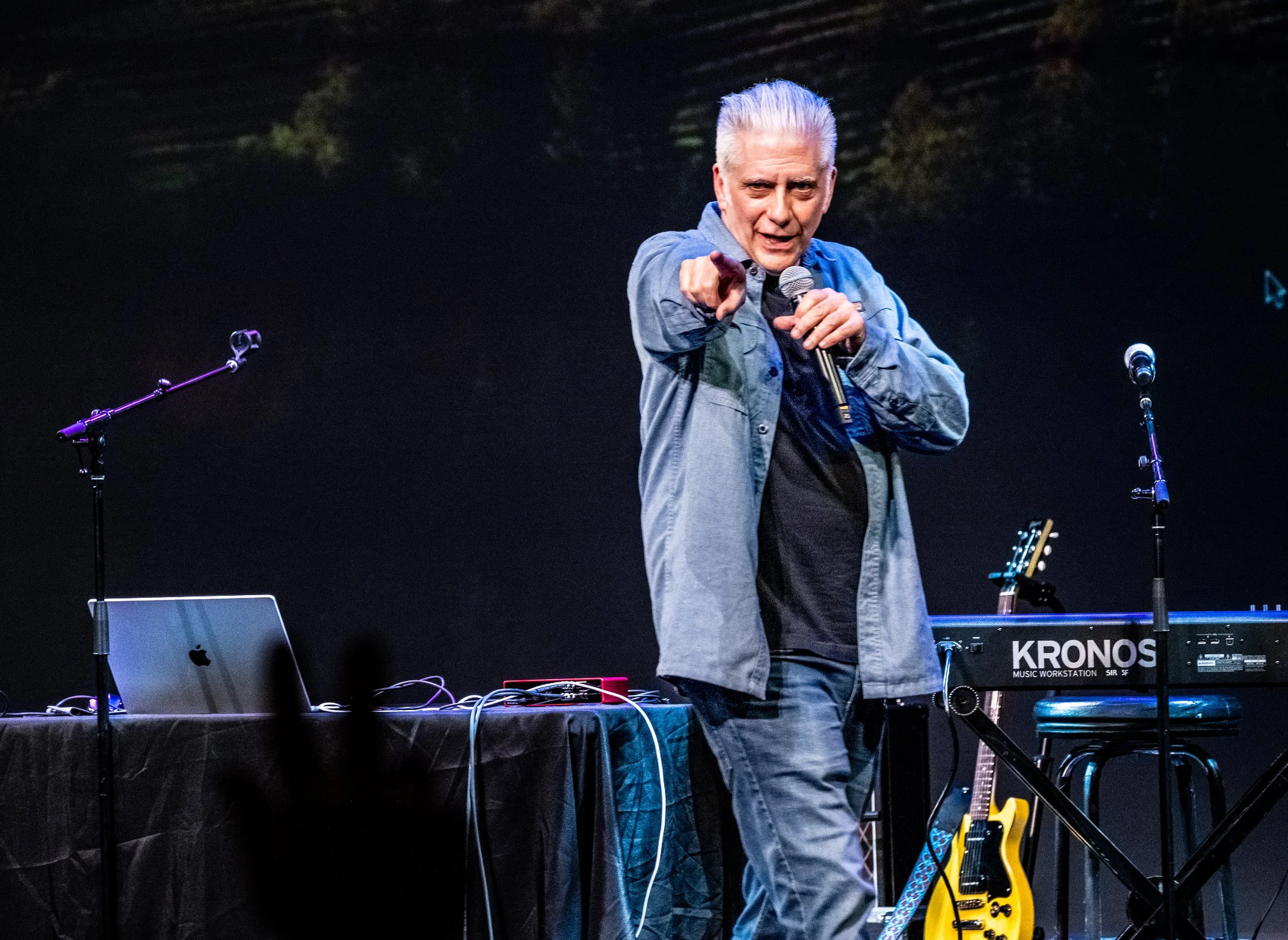
YouTube sensation Rick Beato’s Bay Area debut played less like a lecture and more like a working demo of the creator economy: storytelling, live analysis, and community Q&A packaged as a premium product. He demonstrated how clear teaching, a steady cadence, and audience trust can transform massive online attention into a sustainable, human-scale business.
Rick Beato walked on like a bandleader easing into the first tune—relaxed shoulders, quick grin, zero wasted motion—and his Presidio Theatre debut locked into a confident, low‑key groove. The opener was a highlight reel—Sting, Glyn Johns, and Rick Rubin—an instant signal that the stories tonight would be straight from the source and that this would be a show, not a lecture.
He quickly moved to first principles. “That’s when I learned that lesson: knowledge has value,” he said, tracing the line from reciting U.S. presidents for nickels to a career built on curiosity, clarity, and a producer’s ear. The second beat landed just as simply: “Those front steps of my house, that’s where I learned how to play the guitar,” a reminder that origin stories aren’t branding exercises—they’re the equity you draw on when you teach.
From there, he defined the core concept: understanding. Beato simplifies harmony and arrangement into straightforward English without dulling the music’s impact, and that’s the driving force behind his YouTube channel, interviews, and now a tour talk. The business approach is clever: turn passive viewers into engaged learners, then into ticket buyers interested in experiencing the same clear, accessible explanations in person.
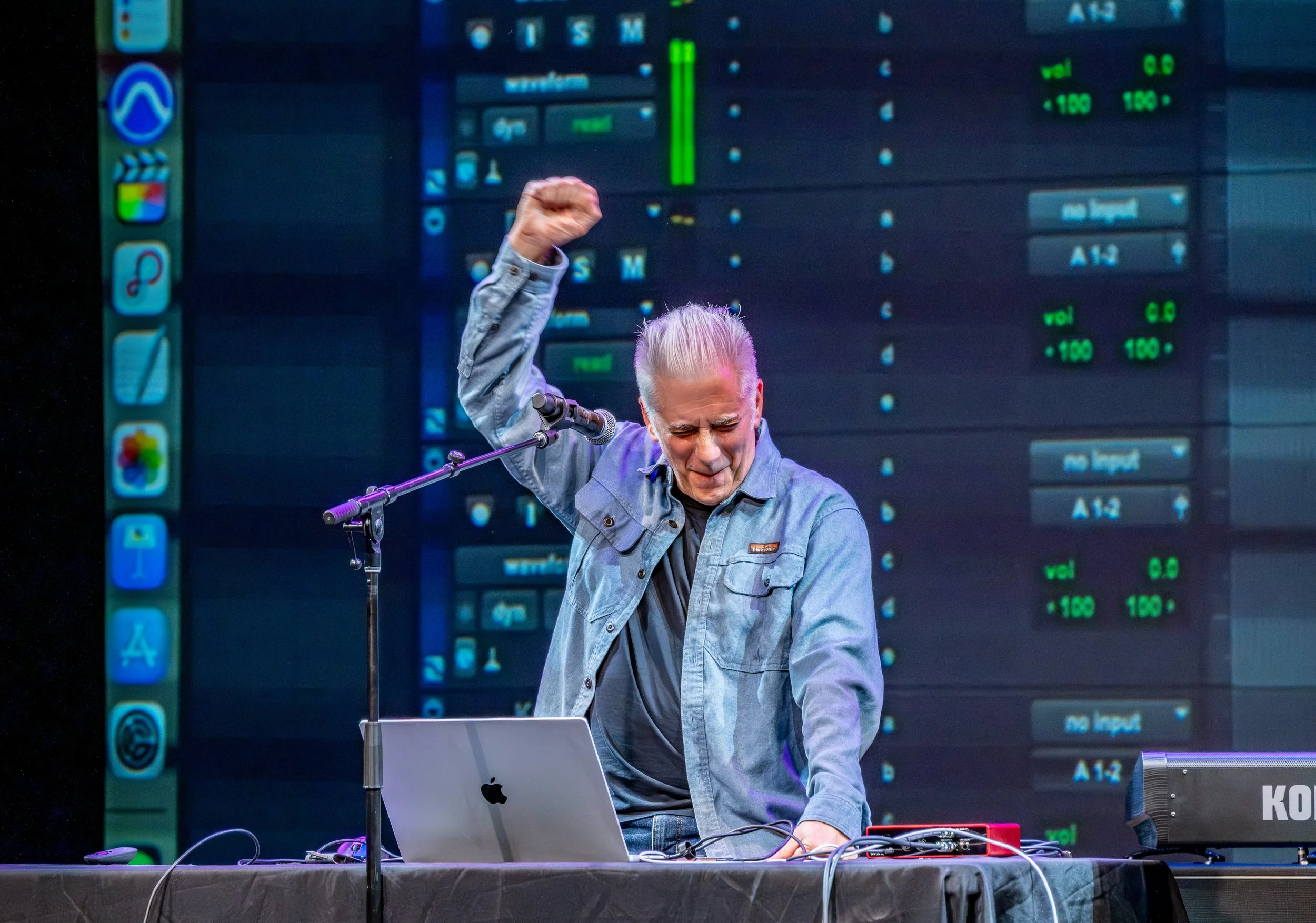
Rick Beato. Photo: Steve Roby
He riffed easily when the crowd threw him prompts. How many guitars are too many? A deadpan anyone in the room could finish: “You can never have too many!” Then he pivoted to influences—Larry Carlton, mic placement, the unglamorous work of capturing a quiet voice in a noisy space. It pleased the studio heads while keeping civilians on board, proof that accessibility doesn’t have to mean dumbing down.
The new‑school topic was the most contentious. Beato walked through AI’s strengths and blind spots, treating it like a tool that may change the job map more than the art itself. The guidance was pragmatic: stay curious, follow the money, and protect credits—because economics, not aesthetics, will determine how fast the tech moves.
His origin story is the brand narrative; the YouTube lessons are the core SKU; the live, exclusive “What Makes This Song Great” is the premium tier; and the Q&A is community retention—an open channel that keeps people close between uploads. The result is a tidy funnel from attention to value, where the product remains music literacy.
Presence carried it. Beato has the calm command of a seasoned frontman who knows he doesn’t need to shout. He owns the room by keeping the stories immediate. His language is lean and image‑ready—chords as colors, notes with weather—and when theory gets dense, he zooms in without losing the beat. The pacing stayed unhurried but purposeful; whenever he drifted off script, he found a new pocket rather than losing the form.
If you came for takeaways, they read like a business plan written in musician’s ink: treat curiosity like currency and spend it daily; train the ear so classical rigor and jazz instincts make rock smarter; teach clearly and credit the players who invent the hooks; treat AI as a tool, not a muse; keep the feel human—groove first, gear second.
By lights‑up, the room felt like it had sat in on both a masterclass and an operator’s manual. The next stop on this tour won’t just explain songs—it’ll send people back to their own front steps with a plan: make it clear, keep it musical, turn attention into value, repeat.
Program Notes
Event: Rick Beato — Presidio Theatre, San Francisco — Thursday, Sept. 25, 2025 — Length: Two hours.