The Architects of Excitement: Tommy Igoe’s Bay Area Blueprint
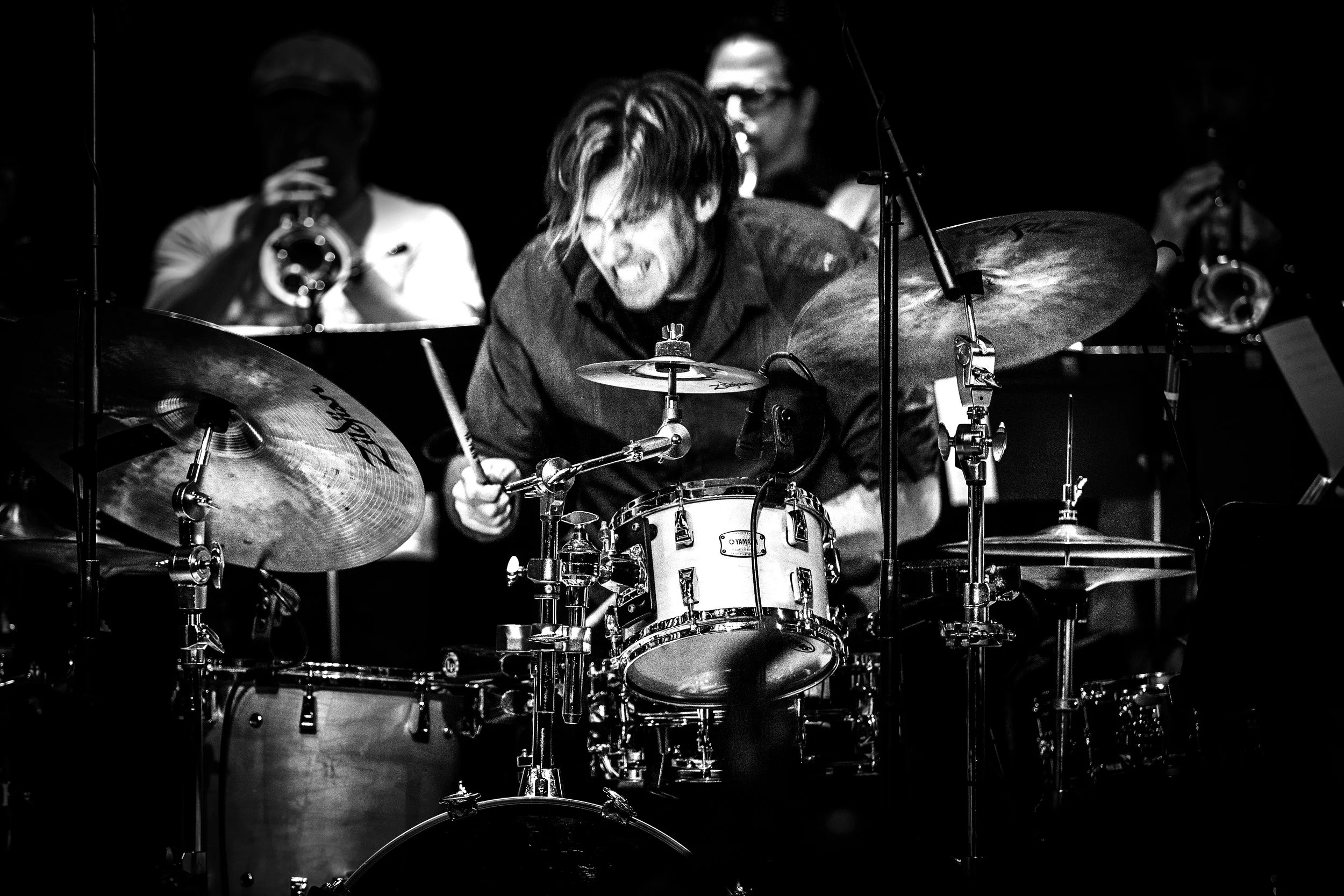
In the ecosystem of jazz, the "residency" is a distinct creature, entirely separate from the touring show. A tour is a fling; a residency is a marriage. It requires commitment, reinvention, and, perhaps most crucially, a "secret sauce" that transforms a weekly slot into a cultural institution. On this Wednesday night, March 25, 2015, the legendary Yoshi’s in Oakland is betting its Jack London Square real estate on drummer Tommy Igoe and his Groove Conspiracy to manufacture exactly that kind of heat.
It is a night of high stakes. Yoshi’s has offered Igoe Thursday nights—a massive compliment, but one that comes with the "scary as hell" mandate to put bodies in seats every single week. But if anyone has cracked the code on how to make instrumental music visceral for a modern audience, it is Igoe. He is currently in the ninth year of running a successful residency in New York, and tonight marks the expansion of that empire to the East Bay.
The Accidental Californian and the "West Coast Band"
To understand the kinetic energy Igoe brings to the stage, one must understand the frantic, almost comedic genesis of his West Coast presence. When Igoe first moved from the relentless "bam, bam, bam" pacing of New York to San Francisco, he struggled with the slower tempo of the city.
Opportunity knocked when the owners of the Rrazz Room (now Feinstein’s) approached him with a challenge: take a habitual money-losing night and turn it into a revenue generator. They asked the pivotal question: "You have a West Coast band, don't you?"
"I said, of course. I have a West Coast band... I did not have a West Coast band," Igoe admits, laughing at the memory of lying to his team. With the gig three weeks away, panic set in.
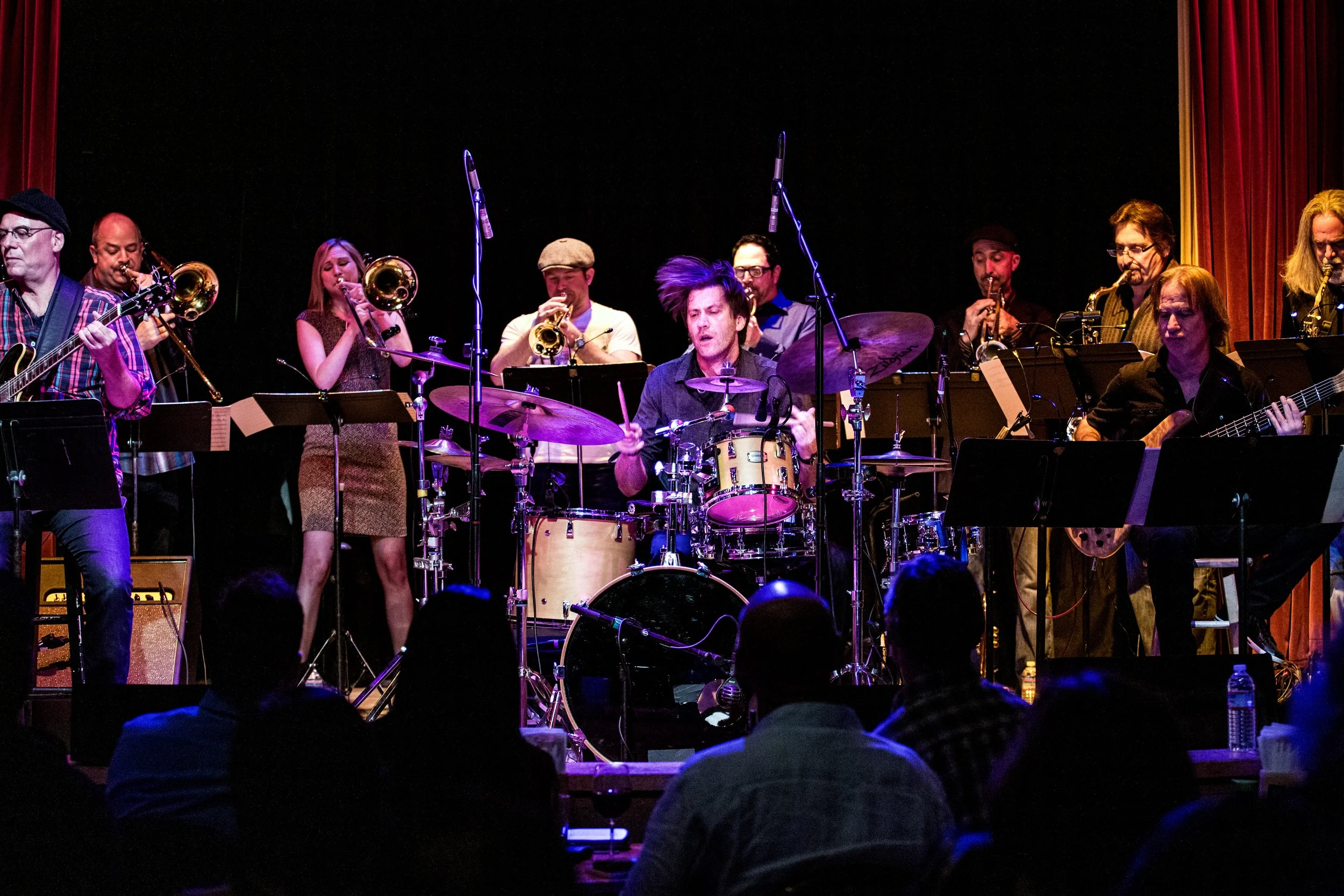
Igoe dialed David Garibaldi of Tower of Power, pleading for help. Garibaldi’s advice was singular: call Tom Politzer. Politzer, a "first-class monster of a tenor saxophone player," became the linchpin, connecting Igoe to a roster of Bay Area heavyweights. The lineup coalesced into a supergroup of alumni from Tower of Power, Steely Dan, and the Doobie Brothers, including guitarist Drew Zing, bassist Dwayne Pate, and keyboardist Colin Hogan.
The result was serendipitous. Igoe found that while the Bay Area was teeming with world-class talent, it lacked organizers—people willing to build something that "unashamedly says, this is great. Come see it."
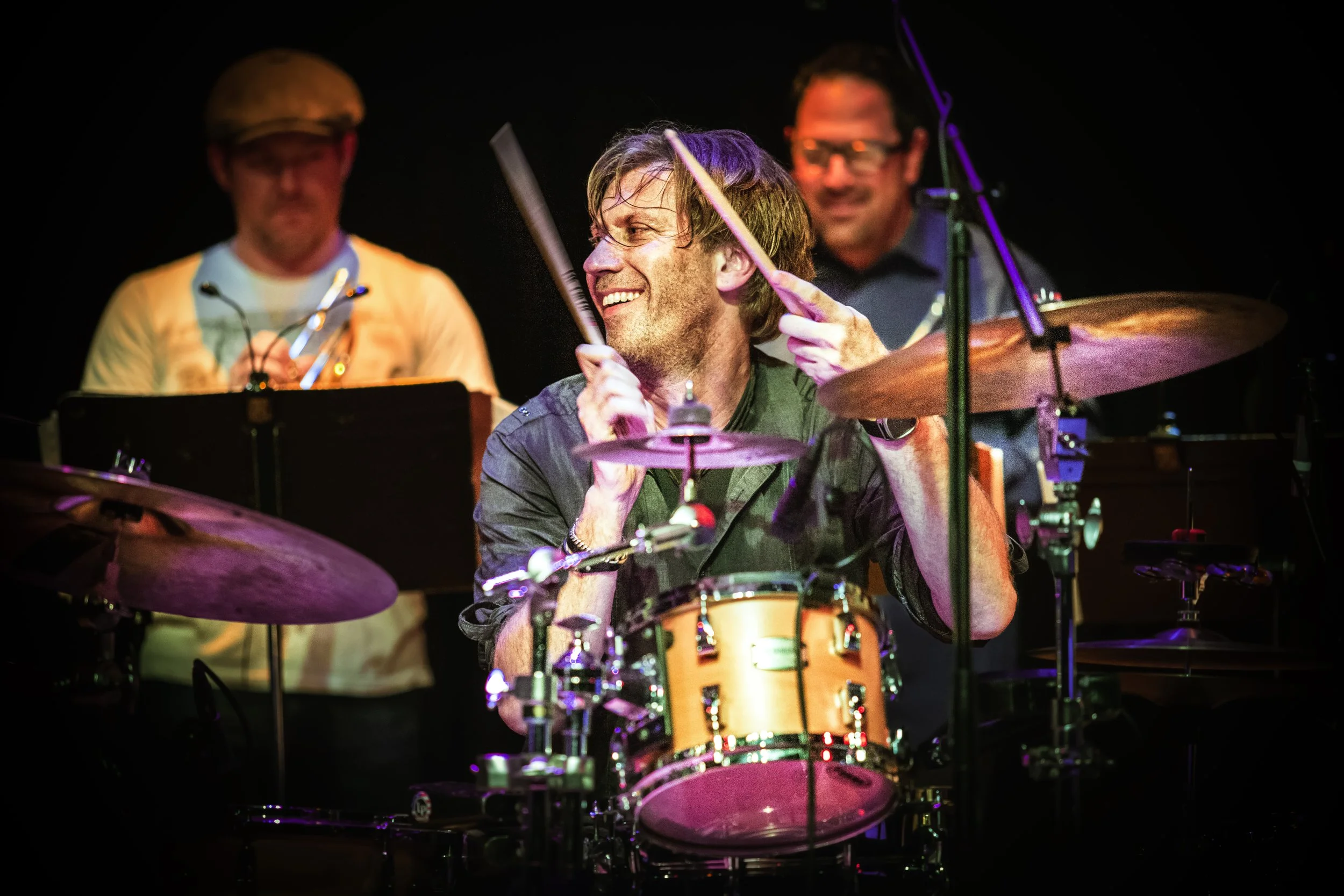
Tommy Igoe. Photo: Steve Roby
Death to the "Big Band"
When the Tommy Igoe Groove Conspiracy takes the stage, do not call them a "Big Band." For Igoe, that terminology is a "death sentence." He pushed that format to its ceiling at Birdland, but for the Bay Area, he wanted something that didn't pander to the past.
"We don't do standards. We don't do the same old, same old. We do like jazz on steroids," Igoe explains. The music is designed to be a "music event"—complex, modern instrumental music that retains the ability to make an audience groove.
The most terrifying aspect of the Groove Conspiracy’s virtuosity is their preparation—or lack thereof. "We never rehearse," Igoe says, a fact he announces from the stage to incredulous giggles. Before their very first gig, the band rehearsed once for three hours. That was it. Igoe relies on his musicians being "musical assassins," capable of navigating extremely challenging charts with the spontaneity that only comes from high-wire improvisation.
Tearing Down the Wall
If there is a central philosophy driving Igoe’s residency, it is the destruction of the barrier between the artist and the audience. He cites an open letter written by Oscar Peterson in the 1950s, in which the piano legend scolded jazz musicians for becoming "arrogant, self-indulgent fools" who played with their backs to the crowd.
Igoe refuses to let his band become "living impressionist art" that demands a polite golf clap. "For a residency, you have to have a core audience of local people who feel they're in it with you," he argues.
This philosophy manifests in the "After Party." Every night, after the final note, the entire club is invited to the bar to hang out with the band. It’s a strategy to foster ownership, to make the fans feel like the residency belongs to them as much as it belongs to the musicians.
He even experimented with live interactive setlists, where audiences could vote on tunes via his website in real-time. It was a noble failure—the traffic would crash his site, and the glow of cell phones distracted the patrons—but the spirit of interaction remains through email requests.
The Oakland Ambition
Tonight at Yoshi’s, as the Groove Conspiracy prepares to validate Jazz Times’ description of their show as "A First-Class Thrill," Igoe is looking beyond the immediate adrenaline rush. He isn’t interested in touring; he has stopped working as a sideman to devote himself 100% to leading his bands.
The goal is to create a "Bay Area thing" that becomes woven into the local culture, much like the Village Vanguard is to New York. "We wanna provide a world-class music event that the Bay Area is not just excited about, but super proud of," Igoe says. "That they can say, this is ours."
The residency is currently contracted through June, but the ambition is open-ended. The band is ramping up—one show in March, one in April, two in May, and four in June. It is a grassroots campaign, relying on the viral nature of a killer live show rather than traditional advertising.
In an era where studio recordings are no longer revenue generators but merely "business cards" to generate excitement for the art, the live performance is the only thing that matters. Tonight, Tommy Igoe isn’t just playing drums; he’s trying to light a fire that will burn in Oakland for years to come.
"It's exciting and frightening at the same time," Igoe says of the residency. "It's equal parts fear and excitement." And for the audience at Yoshi’s, that tension is exactly where the music comes alive.
Photos: Steve Roby